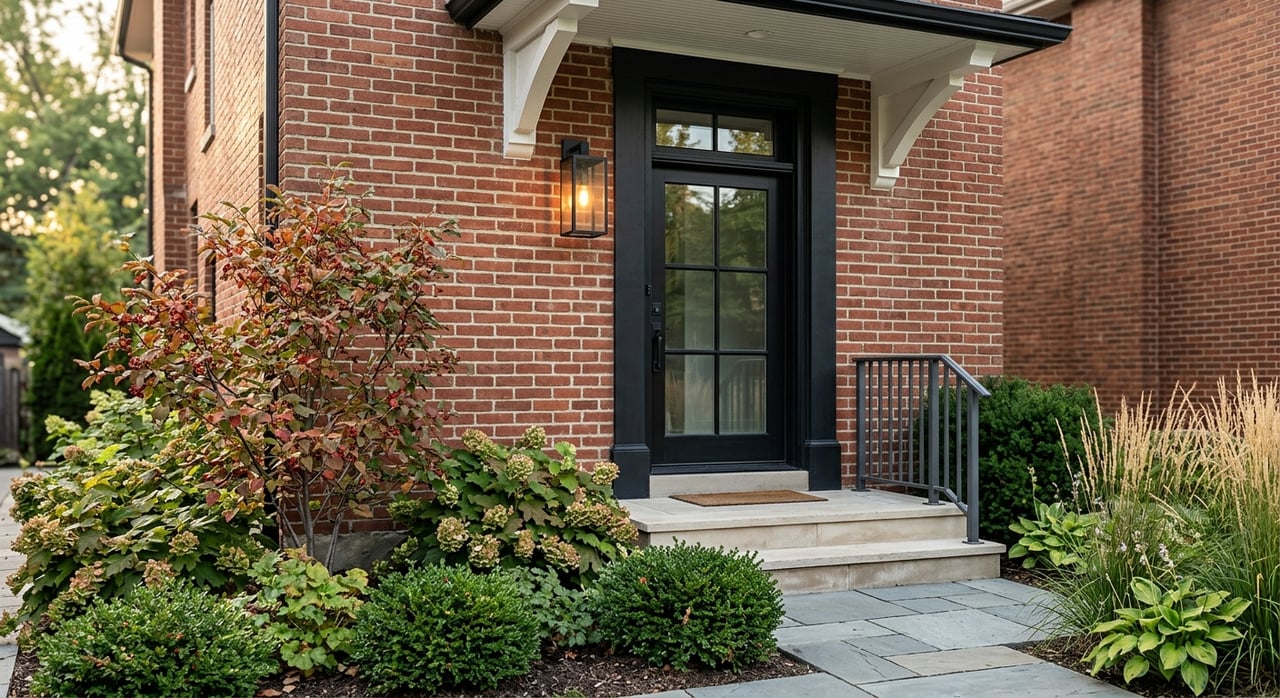
Selling A Character Home In Historic Lebanon
April 23, 2026
April 23, 2026
If you own a character home in Lebanon, you already know it offers something newer homes often cannot: a sense of place. The challenge is helping buyers see that charm while also feeling confident about condition, upkeep, and paperwork. When you prepare your home the right way, you can highlight its history, reduce buyer hesitation, and compete more effectively in today’s market. Let’s dive in.
Lebanon has a well-established historic identity, and that matters when you sell. According to Warren County history, the county was established in 1803, and the city’s planning materials note that downtown still reflects 19th-century scale and density, with older homes representing architectural styles spanning more than 100 years.
That historic presence is not limited to one block or one landmark. The National Park Service’s Ohio register list confirms Lebanon includes the East End Historic District, Floraville Historic District, Lebanon Commercial District, and North Broadway Historic District, along with individually listed sites such as Glendower and the Golden Lamb. For sellers, that means architectural character is part of Lebanon’s identity, not a niche feature buyers may overlook.
A distinctive home can draw strong interest, but buyers are still comparing value carefully. Redfin’s Lebanon market data shows a March 2026 median sale price of $320,000, down 1.5% year over year, with homes taking a median 46 days to sell and a 97.3% sale-to-list ratio.
That kind of market rewards thoughtful presentation and realistic pricing. Some homes still receive multiple offers, but buyers are looking closely at updates, visible maintenance, and whether an older home feels move-in ready or like a future project. In other words, charm helps open the door, but preparation helps get the offer.
When buyers tour an older home, they are often drawn to details they cannot easily recreate. Original millwork, staircases, fireplaces, trim, built-ins, wood floors, and inviting porches can all become strong selling points when they are clean, visible, and well presented.
At the same time, buyers want reassurance that the home works for everyday life. The strongest listing strategy usually balances authenticity with livability, showing that your home has architectural personality while also feeling cared for and functional.
This is where a design-led approach matters. Instead of over-renovating and erasing what makes the home special, strategic preparation can help you preserve period details while reducing the visual cues that make buyers worry about cost and maintenance.
For many Lebanon character homes, the goal is not a full modern makeover. It is a smart edit that makes the home feel brighter, cleaner, and easier to trust.
Before listing, focus on updates that support buyer confidence:
These steps can make a major difference in how buyers interpret the home. A worn threshold or overgrown yard may seem minor, but in an older property, small deferred maintenance can cause buyers to assume larger hidden problems.
One of the most common buyer questions in a historic or older home is simple: what has changed, and what has not? Buyers often want a clear picture of which features are original, which systems have been replaced, and when key work was completed.
That means your listing preparation should go beyond aesthetics. Try to organize the home’s story in a way buyers can easily understand, including:
This kind of documentation can help reduce uncertainty. It also gives your marketing a more polished, credible feel because buyers are not left guessing about the home’s condition or history.
Historic terminology can confuse buyers, and it can create problems if a seller makes assumptions. A home may be in a historic district, near one, or simply be older without formal historic designation.
That distinction matters. The National Park Service FAQ explains that National Register listing by itself does not automatically impose restrictions under state, tribal, or local law unless separate local rules apply.
At the local level, however, parcel-specific review is still important. A consultant summary of Lebanon’s architectural review overlay district update states that the overlay includes four National Register historic districts, which is why sellers should verify whether their property falls within a locally regulated area before making claims about what can or cannot be changed.
Permit history can become especially important with older homes. Buyers may ask whether porches, decks, additions, or exterior changes were approved, and having those answers ready can help the sale feel smoother.
In Lebanon, even work that seems simple may require documentation. The city’s deck and porch submittal sheet says a zoning permit is required for decks and porches, and a Warren County building permit is also required.
If your home has exterior improvements, it is worth checking records before your listing goes live. When buyers can see that work was completed properly, it often lowers stress and keeps negotiations more focused on the home’s value instead of unanswered questions.
If your home was built before 1978, lead-based paint disclosure is not optional. The EPA explains that pre-1978 homes are more likely to contain lead-based paint, and sellers of residential property must disclose known lead-based paint or lead hazards and provide the required information packet.
This does not mean your sale is in trouble. It simply means you should be organized and transparent. When required disclosures are handled correctly and early, buyers are less likely to feel surprised later in the transaction.
Some buyers hear the word historic and immediately ask about tax credits. While that topic can sound exciting, it is important to keep expectations realistic.
The Ohio Historic Preservation Tax Credit Program is competitive and geared toward private redevelopment of historic buildings, with the State Historic Preservation Office reviewing rehabilitation work and compliance standards. In practice, that makes the program more relevant to substantial rehabilitation projects than to basic cosmetic improvements.
For most sellers, the better strategy is to focus on the home’s real, present-day strengths: distinctive architecture, documented updates, and a clear sense of stewardship.
The best marketing for a Lebanon character home does more than show rooms. It tells a cohesive story about architecture, updates, and everyday livability.
That starts with photography and presentation. Period details should be highlighted, not hidden, and every image should reinforce the idea that the home is both special and well maintained.
A strong marketing story often includes:
For sellers, this is where staging and design strategy can create real value. Thoughtful styling helps buyers emotionally connect to the home while also making its scale, function, and condition easier to understand.
If you want to reduce friction, answer the questions buyers are likely already asking. In Lebanon, older and historic homes often trigger a similar set of concerns.
Be prepared to address:
When these answers are available early, buyers often feel more comfortable making a strong offer. Clear information can make an older home feel less risky and more compelling.
A character home in Lebanon can absolutely stand out in the market, but success usually comes from more than charm alone. Buyers respond best when historic appeal is paired with smart preparation, clean presentation, and documentation that supports trust.
That is why selling an older home often benefits from a more curated plan. From staging and design choices to contractor coordination and pre-listing preparation, the right strategy can help your home feel both timeless and ready for today’s buyer.
If you’re thinking about selling and want a tailored plan for presenting your Lebanon home at its best, connect with Kelli Rae Hurst for a complimentary home valuation and staging consultation.
Stay up to date on the latest real estate trends.

Whether buying or selling, limited-service staging and/or full-service design, what you need to enhance your property to its fullest extent in relation to your goals, timeline and budget will be determined.