Exploring Agrarian Neighborhood Living Near Morrow
February 19, 2026
February 19, 2026
Craving more land and a closer connection to the outdoors without giving up city access? If you love the idea of gardens, trails, and open views, agrarian-style neighborhoods near Morrow can be a great fit. You want clarity on how these communities work, what to expect from lots and utilities, and how to protect your investment. This guide breaks it down and points you to official local resources so you can move forward with confidence. Let’s dive in.
Morrow offers a small-village feel with river corridors, parks, and trail access, all within the Cincinnati–Dayton region. The Little Miami Scenic Trail runs through and near the village, and Morrow Veterans Park provides convenient trail access and a paddling launch. These are everyday lifestyle perks if you enjoy biking, walking, or time on the water.
You can still keep your commute reasonable. Typical drive times from Morrow are about 35 to 40 minutes to Cincinnati and 40 to 50 minutes to Dayton under normal conditions. For planning, verify current times with a mapping app, or see a general estimate from a trusted source like Travelmath’s driving-time page.
County planning documents also recognize growth along the I‑71 and SR‑123 corridors, where rural Planned Unit Developments, or PUDs, are often proposed. You can view active files and approvals on the Warren County Planning page, which is a helpful place to check status as you evaluate options.
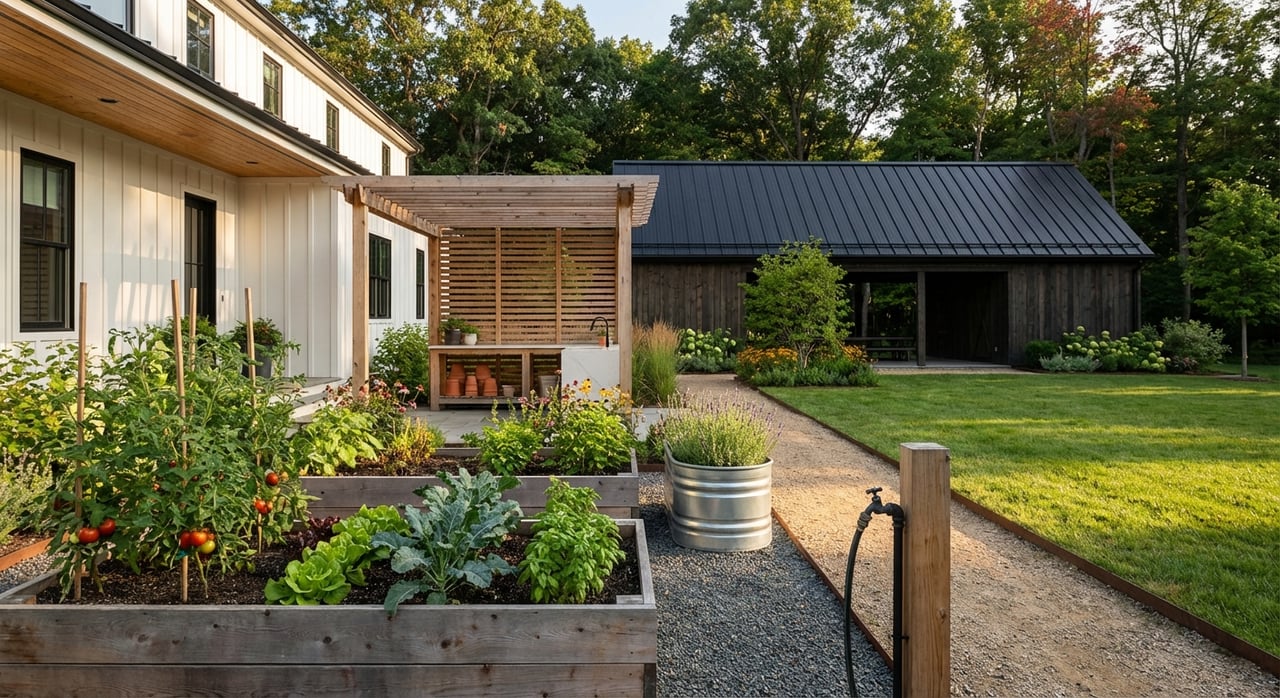
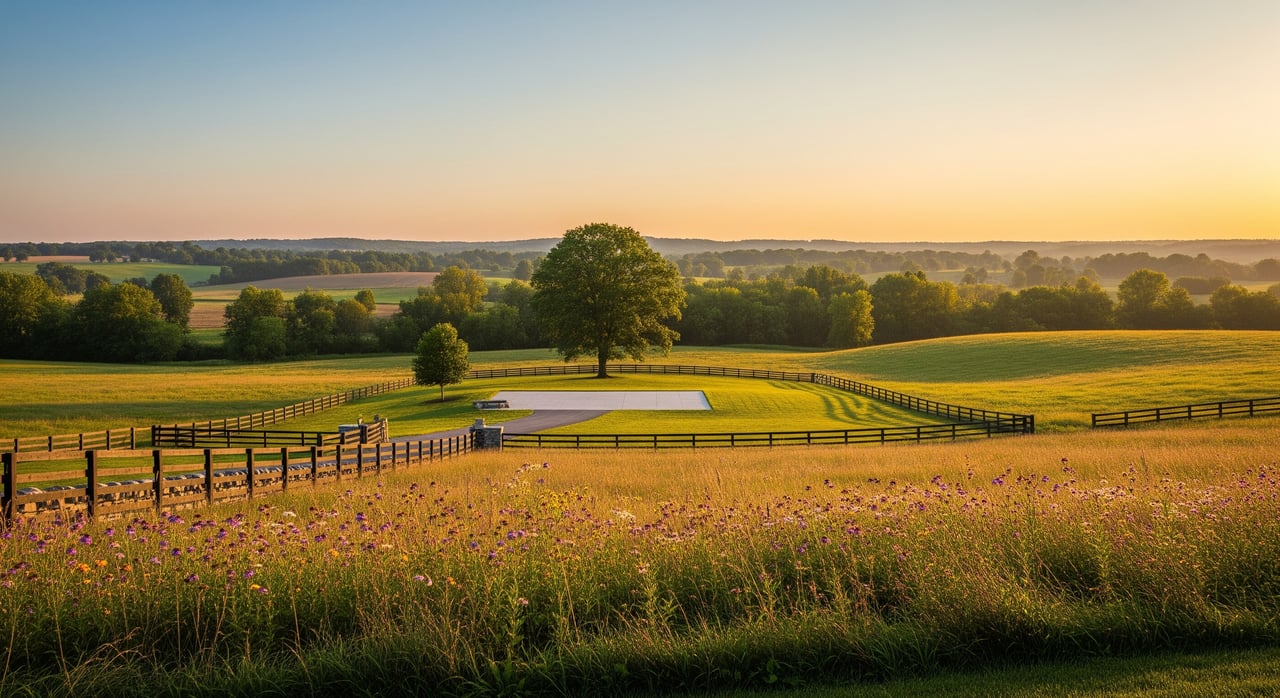
Agrarian or “farm-inspired” neighborhoods in Warren County are typically designed as PUDs or low-density subdivisions that preserve open space and support light agricultural uses. Instead of maximizing lot counts, plans set aside meadows, gardens, and trail corridors. You might see community gardens, native plantings, a small farmstand, or spaces for farm-to-table events.
County rules allow agricultural and related uses, including agritourism, farm markets, and commercial stables in certain districts or with approvals. You can confirm what is allowed in the Rural Zoning Code’s agricultural section, outlined in the official table of contents. Final permissions depend on the recorded PUD approvals and any neighborhood covenants.
The Sweet Life Farm PUD appears in the county’s planning records as a Stage‑1 concept plan. It illustrates how a developer proposes open space, circulation, and an agrarian theme before engineering moves forward. You can see the illustrative layout in the Sweet Life Farm concept file.
Branch Hill Preserve is another concept plan on file that shows how rural PUDs handle lot size and open space. The drawings include minimum lot sizes around 1.5 acres and a deliberate open-space set-aside. Review the Branch Hill concept plan to compare this approach with standard suburban subdivisions.
Concept plans can change during review, so always verify the current status and conditions of approval with the Warren County Planning office.
Agrarian PUDs typically offer larger lots, more separation between homes, and wider building pads than conventional subdivisions. With 1.5 acre minimums shown in some concept plans, you may have space for a barn or pole building, longer driveways, and expanded outdoor living. Always confirm what is permitted with both county zoning and the neighborhood’s recorded rules.
Community amenities often focus on the landscape. Expect features like community gardens, shared trails, native meadows, and small venues for farm-to-table gatherings or educational events. These items reinforce the rural aesthetic while creating low-key, meaningful ways to connect with neighbors and nature.
If public water is not available, new private wells require permits and inspection. The Warren County Health District oversees permits, bacterial sampling, and compliance checks. Before you buy, confirm well yield testing and water-quality sampling. See the Health District’s guidance on sewage and water systems for a quick overview and links to permits.
Most larger-lot homes in rural PUDs use onsite sewage treatment systems. This process begins with a soil evaluation by an approved soil professional, followed by a system design, site review, and a Sewage System Permit to Install. Long term, you can expect operation and maintenance requirements. The Health District outlines steps, approvals, and upkeep on its sewage and water page.
Some rural neighborhoods include private roads or gated drives. Maintenance is usually handled through the HOA or private agreements. The county’s subdivision approvals and PUD conditions state whether streets are public or private and who maintains them. Ask for the recorded plat and the approval resolution to see the exact obligations.
If you plan to keep horses or small livestock or build a larger outbuilding, you need to check two layers of rules. First, review county zoning to see what is allowed by district or by permit, including commercial stables or agritourism uses. Then, review the neighborhood’s Declaration and rules, which can be more restrictive. The county’s Rural Zoning Code lists agricultural and related uses in the official TOC; your specific approvals will be in the recorded PUD and covenants.
Ohio’s Current Agricultural Use Valuation, or CAUV, can reduce taxes for qualifying agricultural land. In general, you may qualify with 10 or more acres devoted exclusively to commercial agriculture, or with under 10 acres that average at least 2,500 dollars in gross farm income per year over the last three years. If a parcel is enrolled and then converted to residential use, recoupment can apply. Before you commit, check enrollment and potential tax impacts with the Warren County Auditor’s CAUV page.
In Ohio, most planned communities operate under the Ohio Planned Community Act. It sets standards for board powers, budgets, records, and assessments. You can read definitions and owner rights in Ohio Revised Code 5312.01. Condominiums are governed by a separate statute, ORC 5311.
Your most important documents are the recorded Declaration of Covenants, Conditions and Restrictions, bylaws, HOA rules, and any PUD approval conditions. These control animals, outbuildings, events, and who maintains common areas and private roads. Ask for the current HOA budget and any reserve studies to understand long-term costs.
Use this short list to protect your interests and streamline closing:
The Little Miami Scenic Trail is a major draw for everyday biking and walking, and it links easily to nearby towns for dining and coffee stops. Morrow Veterans Park adds trailhead convenience and a launch for paddling days. With Cincinnati and Dayton within practical reach, you can enjoy rural quiet without losing access to major employers, sports, and arts.
Buying into an agrarian neighborhood is part home, part land, and part lifestyle. You deserve a guide who understands all three. I help you evaluate lot fit, coordinate the right inspections, read the fine print, and position you for long-term enjoyment and strong resale. When you are ready to find the right acreage, new construction, or a move-in-ready home with room to breathe, reach out to Kelli Hurst for a thoughtful, high-touch plan.
Stay up to date on the latest real estate trends.
Whether buying or selling, limited-service staging and/or full-service design, what you need to enhance your property to its fullest extent in relation to your goals, timeline and budget will be determined.