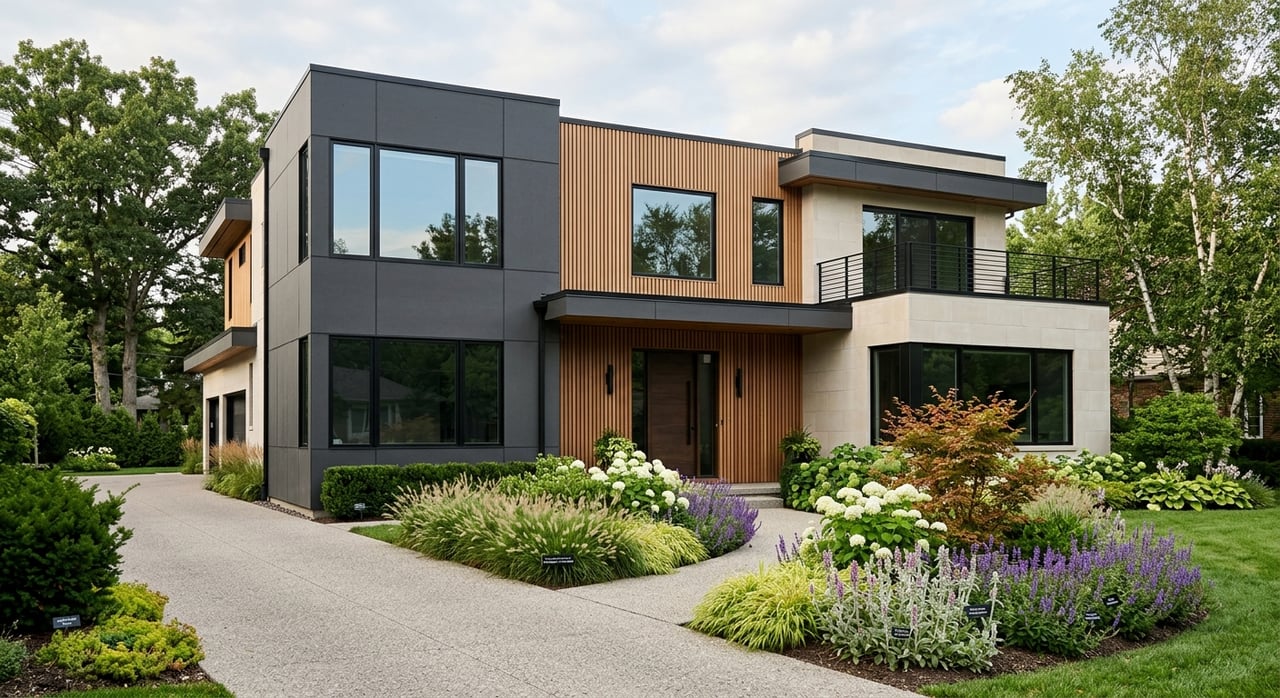
Relocating To Cincinnati Suburbs Along I‑71
May 7, 2026
May 7, 2026
Thinking about a move to the Cincinnati area and wondering which suburb along or near I-71 will actually fit your day-to-day life? That question matters more than most buyers expect, because these communities can look similar on a map but feel very different once you factor in commute patterns, housing style, and weekend routine. If you are relocating from out of town, this guide will help you compare Mason, Lebanon, and Milford so you can narrow your search with more confidence. Let’s dive in.
When people talk about Cincinnati suburbs along I-71, they often lump several places together. In reality, this part of the region works better as a group of related submarkets instead of one uniform suburban stretch.
That matters if you are relocating, because your best fit may depend less on distance and more on how each area connects to work, recreation, and the kind of home you want. Mason, Lebanon, and Milford each offer a distinct version of suburban living, even though buyers often compare them in the same search.
If you are moving from another city, your first filter should be commute geometry. Before you compare home styles or amenities, think about how you will actually move through the region on a normal weekday.
Mason is the most interstate-oriented option of the three. The city has two direct I-71 interchanges and also sits close to I-75 and I-275, which gives it strong regional connectivity.
Lebanon also connects to I-71, but in a different way. It is commonly reached from I-71 Exit 28, followed by a short drive north into town, so you still get interstate access without quite the same corporate-corridor feel.
Milford is the outlier in this comparison. The city describes itself as 16 miles east of downtown Cincinnati along Columbia Parkway and across the Little Miami Scenic River, which means it functions more like an east-side alternative than a classic I-71 suburb.
Mason is a strong match if you want a polished suburban setting with easy highway access. It is the most large-scale and interstate-focused of the three communities in this comparison.
The city reports about 33,000 residents and a variety of housing styles. Its planning materials describe housing that is dominated by single-family lots, including a significant concentration of high-end custom homes, with many homes built since 1995.
For buyers who prefer newer homes, that can be a major advantage. You may find a more current suburban layout, a more auto-oriented setting, and housing stock that often aligns well with move-in-ready preferences.
Mason also offers a substantial amenity base. City materials highlight a community center, golf course, parks, Kings Island, Great Wolf Lodge, and other regional attractions, along with business park land near I-71 interchanges.
That combination can appeal to relocation buyers who want convenience built into everyday life. If your priority is direct interstate access, newer housing, and a broad employment network nearby, Mason often rises to the top quickly.
Mason may be the right fit if you are looking for:
Lebanon offers a different kind of experience. While it still connects well to I-71, its identity is centered more on historic charm, parks, and a downtown-oriented lifestyle.
That makes Lebanon appealing if you want a traditional small-city setting rather than a place defined primarily by freeway access. You can still commute via I-71, but your day-to-day environment may feel more rooted in downtown spaces and local recreation.
The city’s park system adds a lot to its appeal. Lebanon highlights Colonial Park East, a 136-acre centerpiece, along with Harmon Park and Miller Ecological Park.
There is also strong trail access. The Countryside YMCA Bike Trail begins near downtown by the LM&M train station, passes through Harmon Park, and connects to the Little Miami Scenic Trail.
For buyers who enjoy outdoor activity, Lebanon brings more than just neighborhood parks. The city also has a regional sports complex with more than 30 soccer fields and a 112-acre bike park.
If you are comparing Mason and Lebanon, the difference is often about feel. Mason tends to read as newer and more suburban at scale, while Lebanon tends to offer a more traditional small-town character with recreation woven into the downtown area.
Lebanon may be the right fit if you are looking for:
Milford stands apart from both Mason and Lebanon. It is the most walkable and trail-centric community in this group, and its location east of downtown Cincinnati gives it a different commute pattern than the other two.
The city highlights historic Milford, the Little Miami Scenic Bike Trail, Valley View Nature Preserve, and access to the Little Miami River for kayaking and canoeing. That gives Milford a strong outdoor and pedestrian-friendly identity.
Its downtown business district includes buildings dating to the early 1800s. The housing mix is also notably broad, with historic homes, affordable family homes, upscale townhomes, and retirement facilities listed by the city.
For relocation buyers, that variety can be useful. If you want more housing ages and styles, plus a setting that supports walking and weekend recreation, Milford offers a different experience than a newer master-planned suburban search.
Milford can be especially attractive if your routine is not built around driving I-71 every day. In that case, the tradeoff may be worth it for buyers who value in-town character and direct access to trails and the river.
Milford may be the right fit if you are looking for:
If you are relocating and cannot spend every weekend touring neighborhoods, keep your process simple. The clearest way to compare these areas is to look at commute geometry first, then housing age and style, then lifestyle.
Start by mapping your likely drive at the actual time of day you will travel. A suburb that looks ideal online can feel very different once you picture the real weekday routine.
Next, decide how much home updating you are willing to take on. If you prefer newer construction and a more turnkey feel, Mason may deserve extra attention, while Milford and Lebanon may appeal more if you value character and a more varied housing mix.
Then think about your Saturday, not just your Monday. Do you picture parks and major amenities, a historic downtown, or a walkable area with trails and river access?
A smart virtual search strategy is to compare one representative area in each city:
That side-by-side view often makes the differences much easier to see. It helps you evaluate the drive, the setting, and the level of maintenance or updating that fits your goals.
If you want the shortest path to clarity, use this framework:
| If you want... | Focus on... |
|---|---|
| Newer, larger-lot suburban housing | Mason |
| Historic small-city character | Lebanon |
| Walkability and trail access | Milford |
| Strong direct I-71 connectivity | Mason |
| Downtown-centered recreation | Lebanon |
| River and bike-trail lifestyle | Milford |
This is not about which suburb is best overall. It is about which suburb best matches the way you want to live.
Many buyers start with square footage and price range, but that only tells part of the story. In this corridor, the bigger quality-of-life difference often comes from how a place feels on a normal day.
For some buyers, that means prioritizing a design-forward, newer home in a highly connected suburban area. For others, it means choosing charm, trail access, or a more walkable downtown setting.
That is why relocation planning works best when you match the home search to your lifestyle early. Once you know whether you want newer suburban polish, small-town character, or in-town recreation, the search gets much more focused.
If you are relocating to the Cincinnati area and want a thoughtful, personalized strategy for comparing suburban communities, Kelli Rae Hurst can help you narrow your options and find a home that truly fits the way you live.
Stay up to date on the latest real estate trends.

Whether buying or selling, limited-service staging and/or full-service design, what you need to enhance your property to its fullest extent in relation to your goals, timeline and budget will be determined.