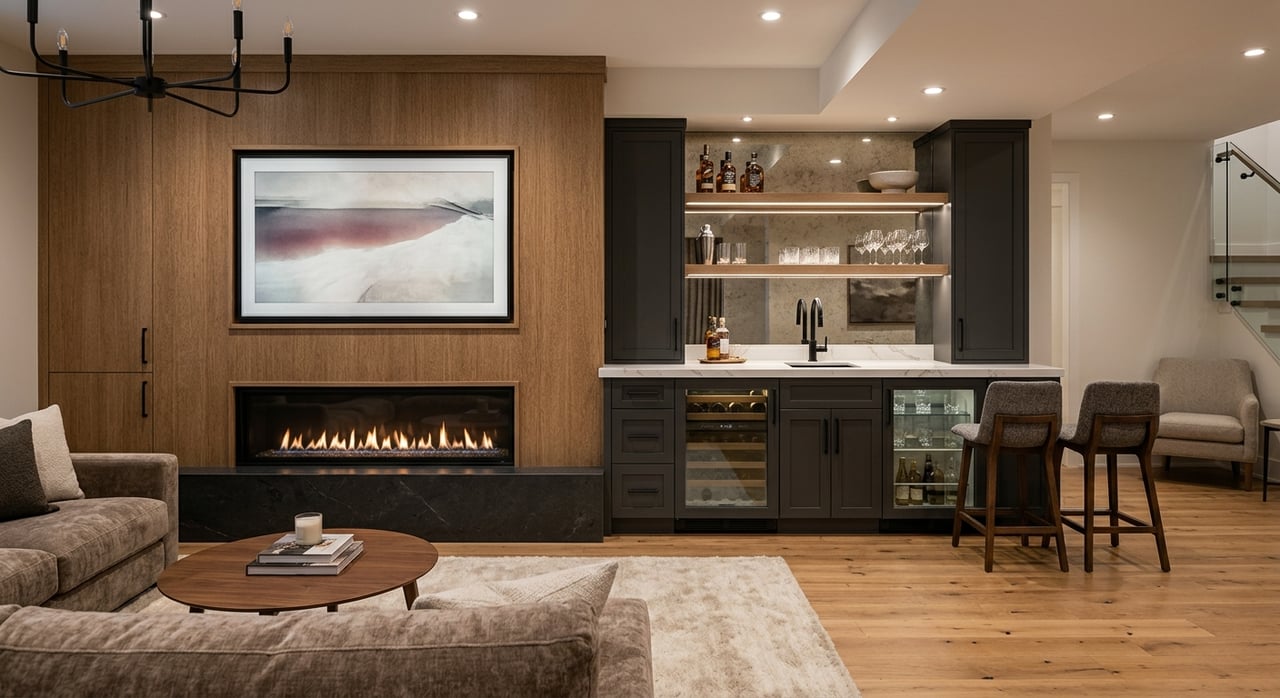
Smart Springboro Home Staging Tips for a Stronger Sale
June 25, 2026
June 25, 2026
Wondering why some Springboro homes feel instantly compelling while others blend into the scroll? In a market where buyers often see your home online before they ever step through the door, presentation can shape both interest and perceived value. If you want to attract discerning buyers in Springboro, thoughtful staging can help your home feel polished, current, and easy to imagine living in. Let’s dive in.
Springboro appeals to buyers who are often looking for more than square footage alone. The city sits between Dayton and Cincinnati, offers quick access to I-75, and is known for its historic downtown, cultural venues, and roughly 400 acres of recreational space. That lifestyle context matters because buyers are not just comparing homes, they are comparing the full experience of living there.
The local numbers also support a strategic approach to presentation. U.S. Census QuickFacts reports an 88.9% owner-occupancy rate, a median household income of $119,659, and a median owner-occupied home value of $357,800. Redfin reports a median sale price of $424,746 for the three months ending May 2026, while Realtor.com shows a median listing price of $479K and about 28 days on market in May 2026.
That kind of market does not mean you can skip the prep. It means buyers may move quickly when a home feels well cared for, well marketed, and priced with intention. For a premium Springboro listing, staging is part of that strategy.
Today’s buyers tend to bring high visual expectations into the search process. According to the 2025 Profile of Home Staging from the National Association of Realtors, 83% of buyers’ agents said staging made it easier for buyers to visualize a property as a future home. That is one of the clearest reasons staging matters.
The same report found that 48% of respondents said buyers expected homes to look like they were staged on TV, and 58% said buyers felt disappointed when homes did not meet that standard. In other words, buyers notice when a home feels unfinished, cluttered, or flat in photos.
For a Springboro seller, the goal is not to make your home look artificial. The goal is to create a refined version of real life. You want warmth, texture, and function, with enough editing that buyers can focus on the home itself.
Before any styling happens, the foundational work needs to be done. NAR reports that the most common recommendations from sellers’ agents were decluttering the home, cleaning the entire home, and improving curb appeal. That order matters because staging cannot cover up deferred maintenance, visual noise, or a tired first impression.
A strong pre-listing plan usually starts here:
This is where staging becomes a value-building investment instead of a cosmetic extra. When the home is clean, edited, and repaired first, the design choices feel intentional and the listing photos read much more clearly.
Not every room has the same impact on buyer perception. NAR’s 2025 findings show the most important rooms to stage are the living room, primary bedroom, and kitchen. Those spaces tend to shape emotional first impressions and carry the most weight in both photography and in-person showings.
The living room was the top room identified by buyers’ agents, and for good reason. It often acts as the visual anchor of the listing and the place where buyers assess scale, light, layout, and overall finish.
In Springboro homes with open layouts, define clear zones so the room feels usable instead of oversized. A conversation area, a reading corner, or a connected dining space can help buyers understand how the square footage lives day to day. Keep the palette calm and layered, and use texture to add depth without clutter.
The primary bedroom should feel restful, spacious, and elevated. Crisp bedding, balanced nightstands, soft lighting, and minimal accessories can make the room feel more finished without looking overstyled.
If the room is large, avoid leaving it too sparse. A bench, chair, or small sitting area can help communicate comfort and scale. Buyers should walk in and immediately understand the room’s purpose and potential.
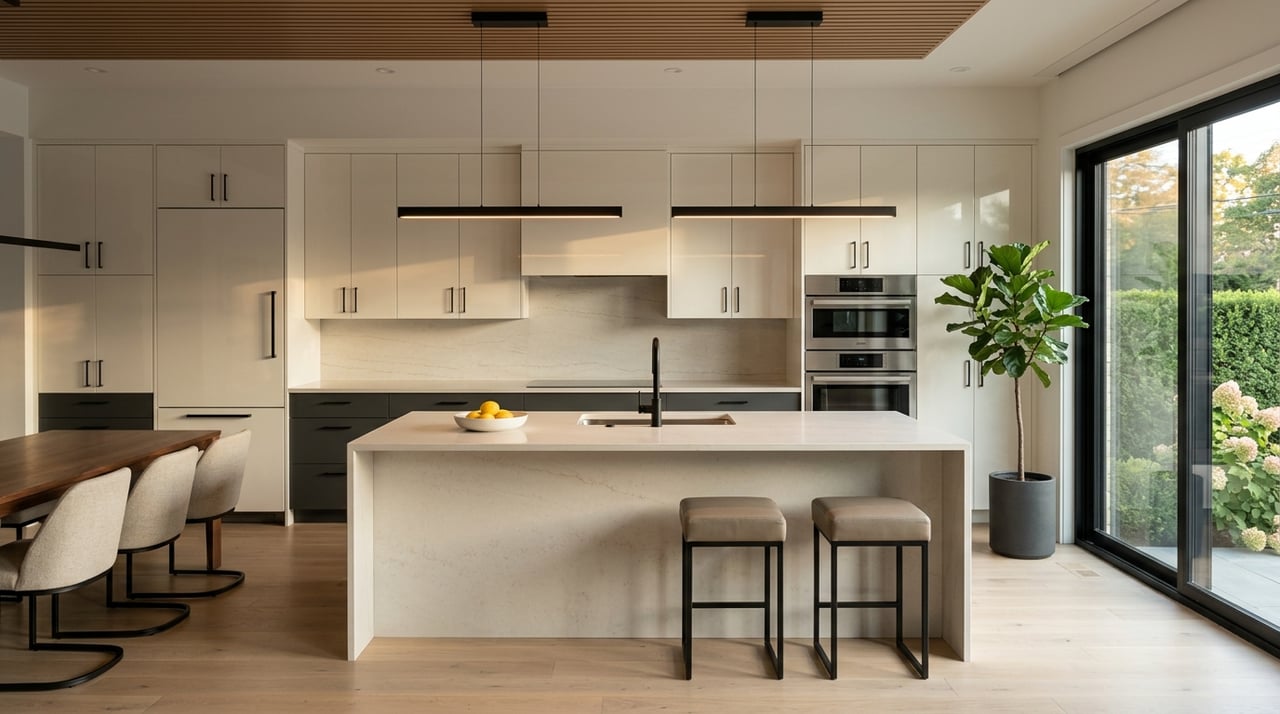
A clean, bright kitchen almost always photographs better and shows better. Clear the counters, remove small appliances, and keep styling minimal. A few fresh touches, strong lighting, and spotless surfaces can make the space feel more luxurious.
If your kitchen opens into living or dining areas, make sure the whole sightline works together. Disconnected styling can make an otherwise beautiful home feel visually choppy.
Your foyer and main walkways set the tone for the entire showing. Even though these spaces are not always discussed as much as kitchens or bedrooms, they shape the first few seconds of a buyer’s experience.
A clean entry, open floor path, and simple styling can immediately communicate quality and care. Good lighting matters here too. Buyers should be able to sense the home’s scale and finish from the moment they arrive.
Many higher-end Springboro homes feature large connected spaces. When these areas are left blank or loosely furnished, they can feel harder to read in photos and in person.
Instead, break the space into clear lifestyle zones. You might stage an area for conversation, one for dining, and another for flexible daily use. This helps buyers see not just the size of the home, but how comfortably it supports real routines.
That flexibility matters in a lifestyle-driven market. The home should tell a story that feels polished but still livable.
Finished basements, lofts, offices, and flex rooms should never feel like afterthoughts. These spaces can be powerful value drivers when they are presented as functional square footage rather than storage overflow.
Think in terms of clear use. A lower level might read as a media room or guest retreat. A bonus room might function as an office, workout area, or play space. Buyers do not need every room fully furnished, but they do need each one to feel intentional.
Outdoor living deserves real attention in Springboro. The city highlights parks, trails, concerts, recreation, and open space as part of its identity, so buyers often respond well to homes that extend living beyond the interior.
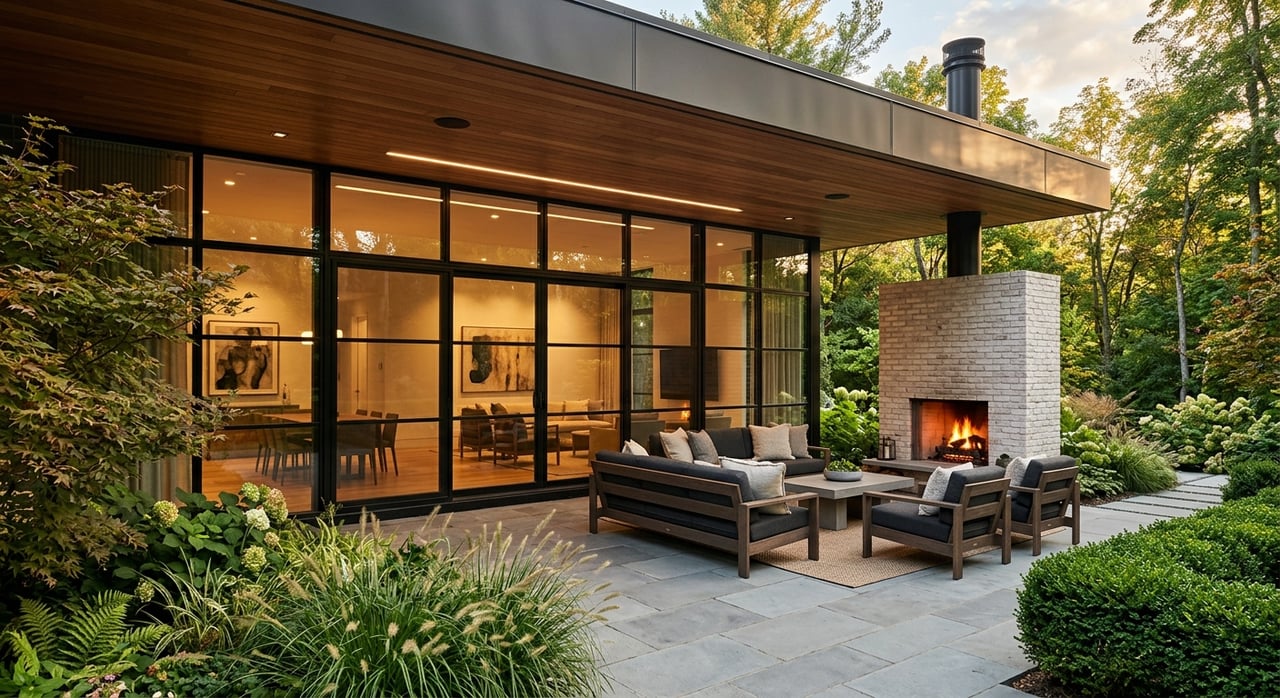
If you have a patio, porch, deck, or backyard entertaining area, stage it as usable space. Clean furniture, defined seating, potted plants, and a tidy landscape can help the exterior feel connected to the lifestyle buyers are seeking.
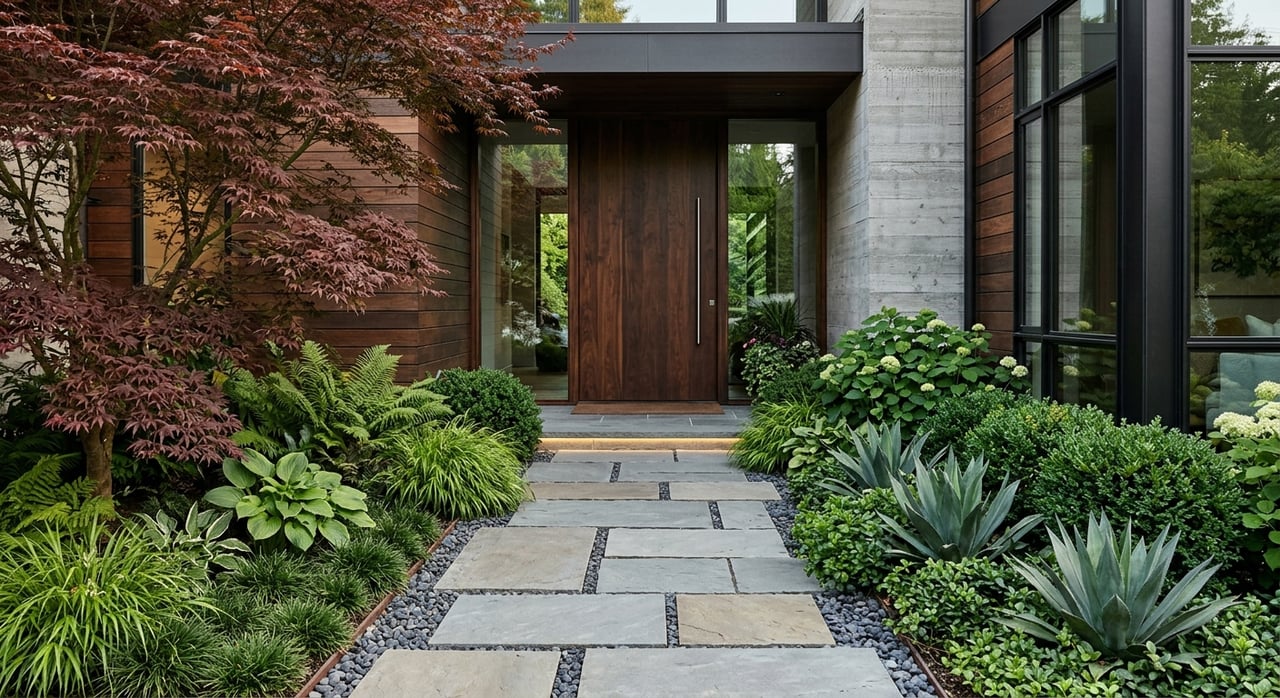
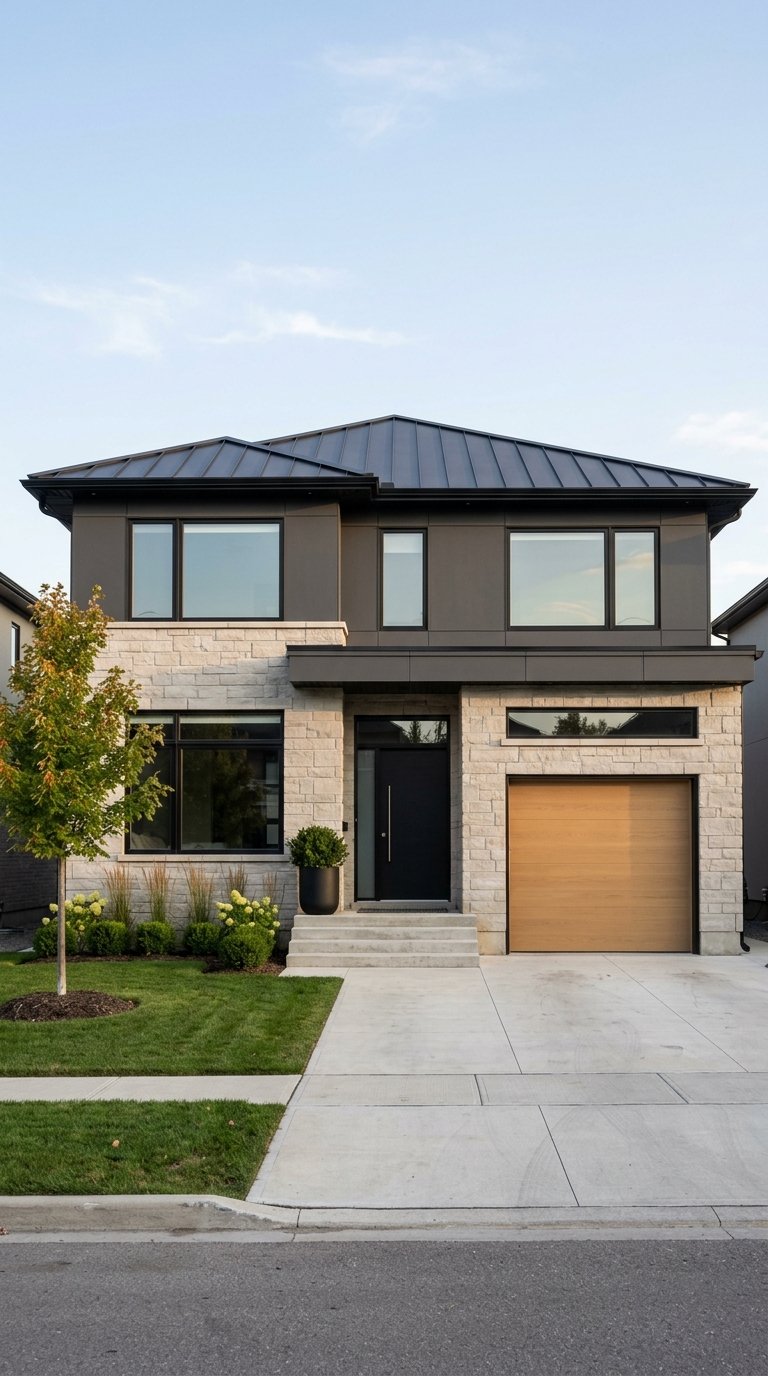
Curb appeal matters too. Since curb appeal is one of the most common seller recommendations in NAR’s data, the exterior should feel bright, maintained, and welcoming before photos are ever scheduled.
One of the biggest staging mistakes is leaning too far into either extreme. A home that feels too personal can distract buyers, but a home that feels cold or overly minimal can miss the emotional mark.
Current design guidance from NAR points toward richer texture, mixed metals, and functional outdoor spaces rather than stark all-white interiors. That is especially useful for a luxury-minded Springboro listing. The most effective styling tends to feel current and elevated, but still comfortable.
This is where a design-led approach can help. You want the home to feel aspirational, not intimidating.
Staging works best when it is built into the pre-listing process. It should come after repair work, cleaning, and editing, and before photography, video, and other marketing assets are created.
That sequence matters because online presentation now drives so much of the first impression. NAR found that buyers’ agents rated photos as highly important at 73%, followed by physical staging at 57%, videos at 48%, and virtual tours at 43%. If your home is going to make a strong entrance online, the staging has to be camera-ready.
For many sellers, a simple planning order works well:
This process helps your home look cohesive across every touchpoint, from the first listing photo to the final showing.
For many sellers, yes. NAR reports a median staging service cost of $1,500, compared with $500 when the seller’s agent handled staging themselves. While every property is different, the same report found that 29% of agents saw a 1% to 10% increase in the dollar value offered, and 49% of sellers’ agents saw reduced time on market.
That does not mean staging guarantees a specific outcome. It does mean many agents see real value in treating presentation as part of pricing and marketing strategy. In a market like Springboro, where buyers are often comparing lifestyle, finish level, and move-in readiness, that can be a meaningful advantage.
If your property is located in Springboro’s seven-block historic district on South Main Street and SR 73, exterior changes may be subject to review. The city states that the Architectural Review Board manages exterior changes to protected properties through Historic Design Guidelines.
That does not affect basic cleaning and routine presentation. It does matter if your curb appeal plan includes visible paint changes or exterior alterations. If your home falls in that area, it is smart to confirm requirements before making updates.
At its best, staging helps buyers understand not just your rooms, but your home’s full lifestyle value. In Springboro, that can include polished indoor spaces, usable outdoor living, access to recreation, and a strong sense of care and quality throughout the property.
For sellers aiming at discerning buyers, staging is not about adding fluff. It is about removing friction. When buyers can quickly picture themselves in the home and see that every detail has been considered, they are more likely to connect emotionally and act with confidence.
If you are preparing to sell in Springboro and want a design-led plan that supports pricing, presentation, and a smooth launch, Kelli Rae Hurst can help with a complimentary home valuation and staging consultation.
Stay up to date on the latest real estate trends.
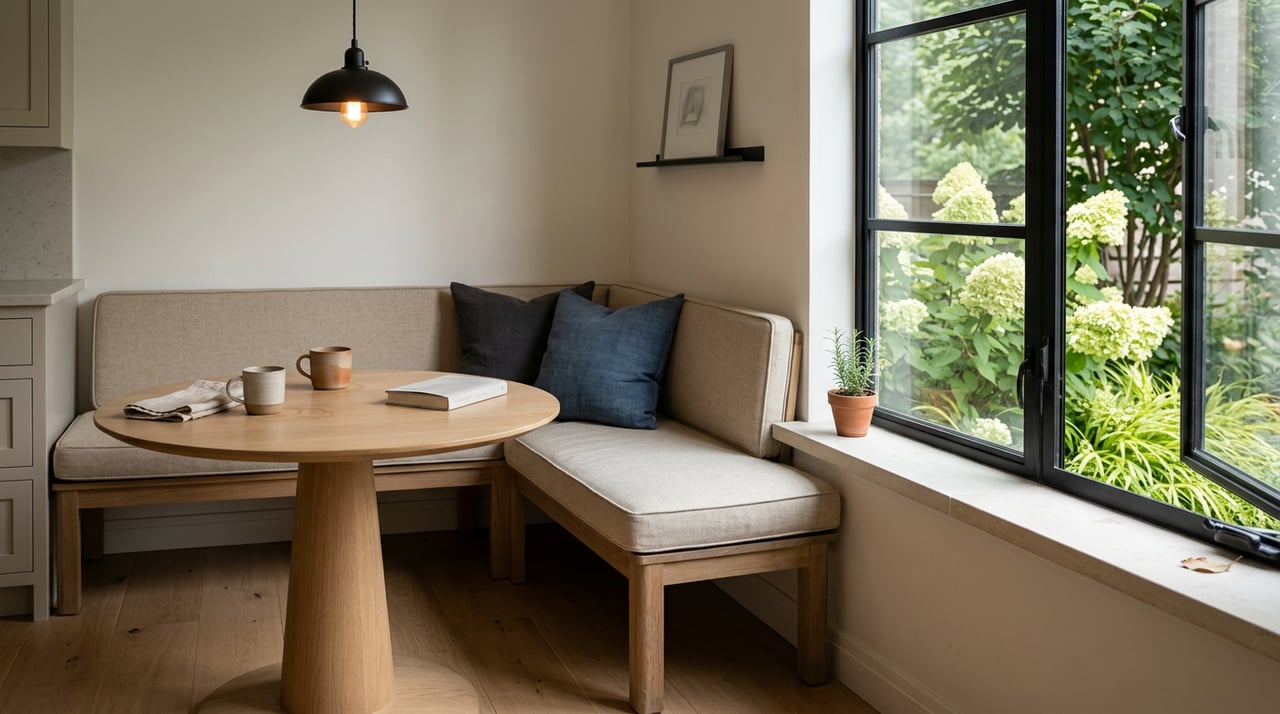
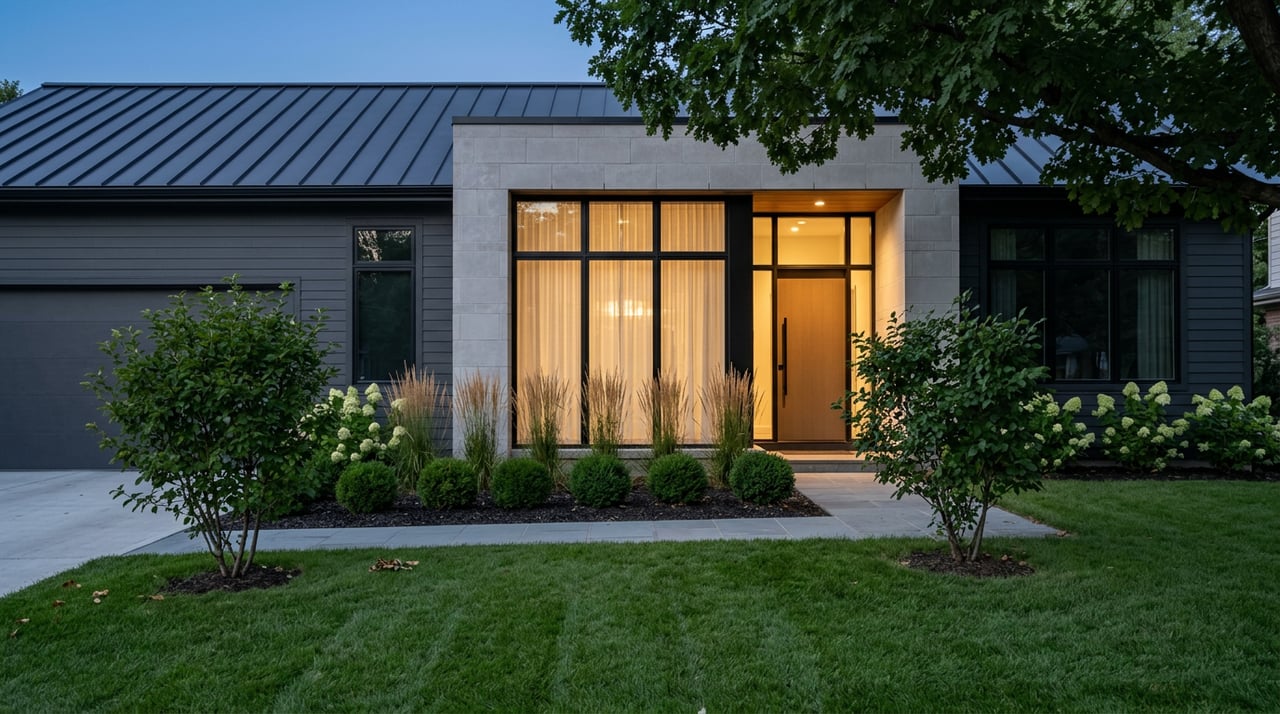
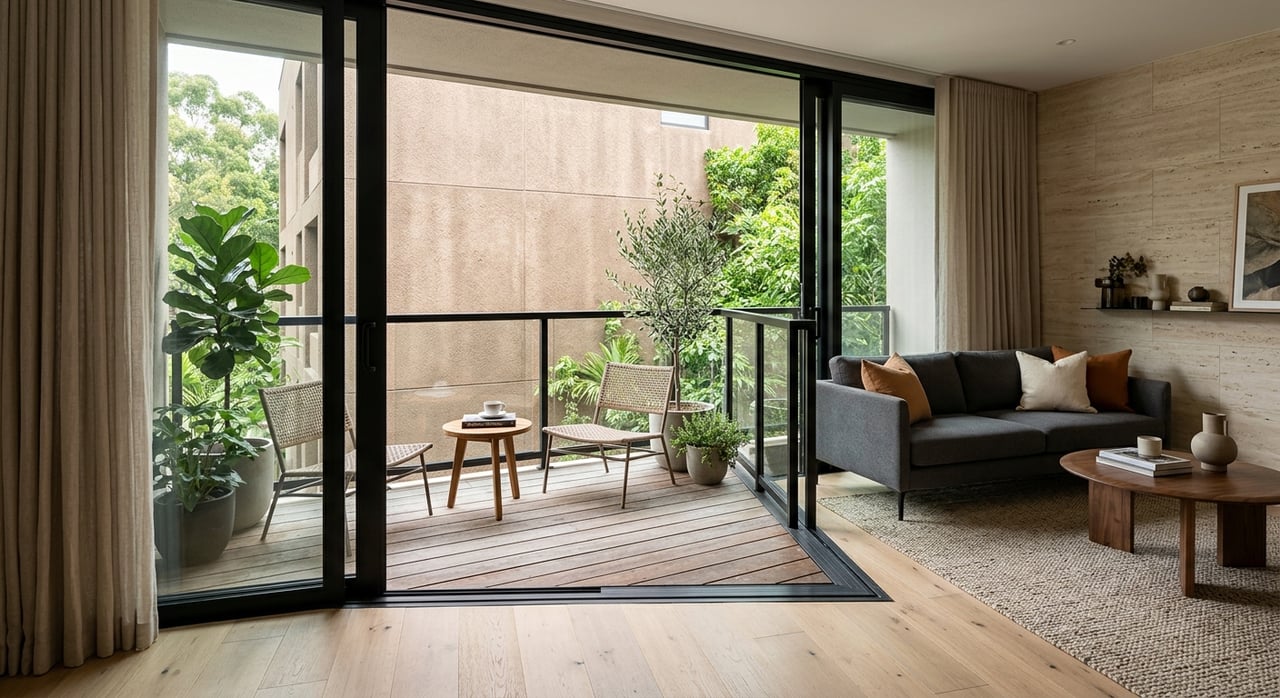
Whether buying or selling, limited-service staging and/or full-service design, what you need to enhance your property to its fullest extent in relation to your goals, timeline and budget will be determined.