West Chester Ohio Home Selling Checklist by Room
May 28, 2026
May 28, 2026
If you want your West Chester home to make a strong first impression, the work starts well before the listing goes live. Buyers notice condition quickly, and recent remodeling research shows many are less willing to compromise on visible issues than they were in the past. The good news is that you do not need to remodel every room to make your home stand out. With the right pre-listing plan, you can focus on the spaces and details that matter most, avoid last-minute surprises, and head to market with confidence. Let’s dive in.
Before you paint a wall or replace a light fixture, it helps to step back and make a plan. In West Chester, pre-listing prep is not only about presentation. It is also about timing, paperwork, and making sure any planned work fits local requirements.
West Chester Township notes that many remodeling projects require review through Community Development. Common triggers include additions, remodeling, pools, garages, sheds, fences, decks, and sign changes. If you are thinking about any project that changes structure or use, verify requirements early so your prep timeline stays on track.
For Ohio sellers, disclosures also matter from the start. The residential property disclosure form covers known issues involving items like water supply, sewer, roof, foundation, walls, floors, and hazardous materials within your actual knowledge. That means your pre-listing checklist should include not only cosmetic updates, but also a clear review of repair history, service records, and any known defects.
Ohio also now requires a fair-housing disclosure form to be provided to the seller before a residential property is listed. The form must be signed and dated before the property is marketed or shown. In practical terms, that means paperwork belongs in your pre-listing timeline right alongside repairs, staging, and photography.
When sellers feel overwhelmed, it is often because tasks are happening in the wrong order. A better approach is to move from issues that affect disclosure and condition first, then shift into presentation.
A practical sequence looks like this:
That order helps you avoid spending money on cosmetic work before bigger issues are addressed. It also makes it easier to present a home that feels both well cared for and market-ready.
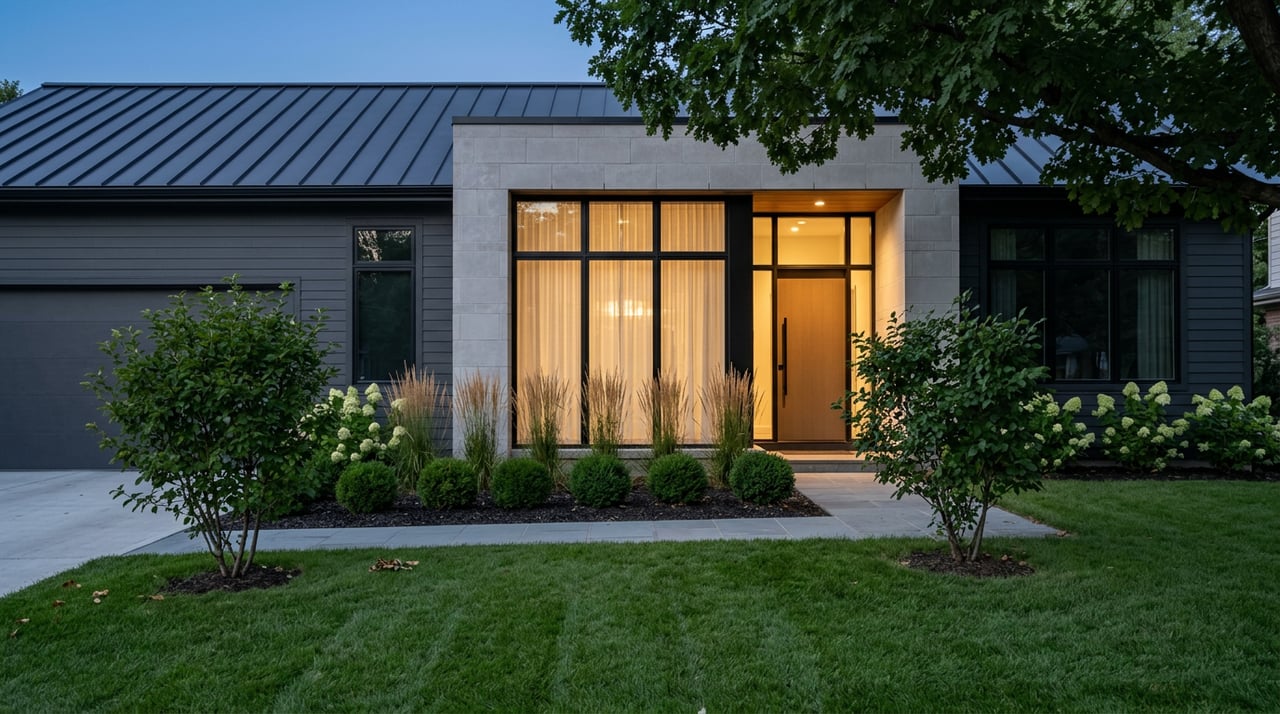
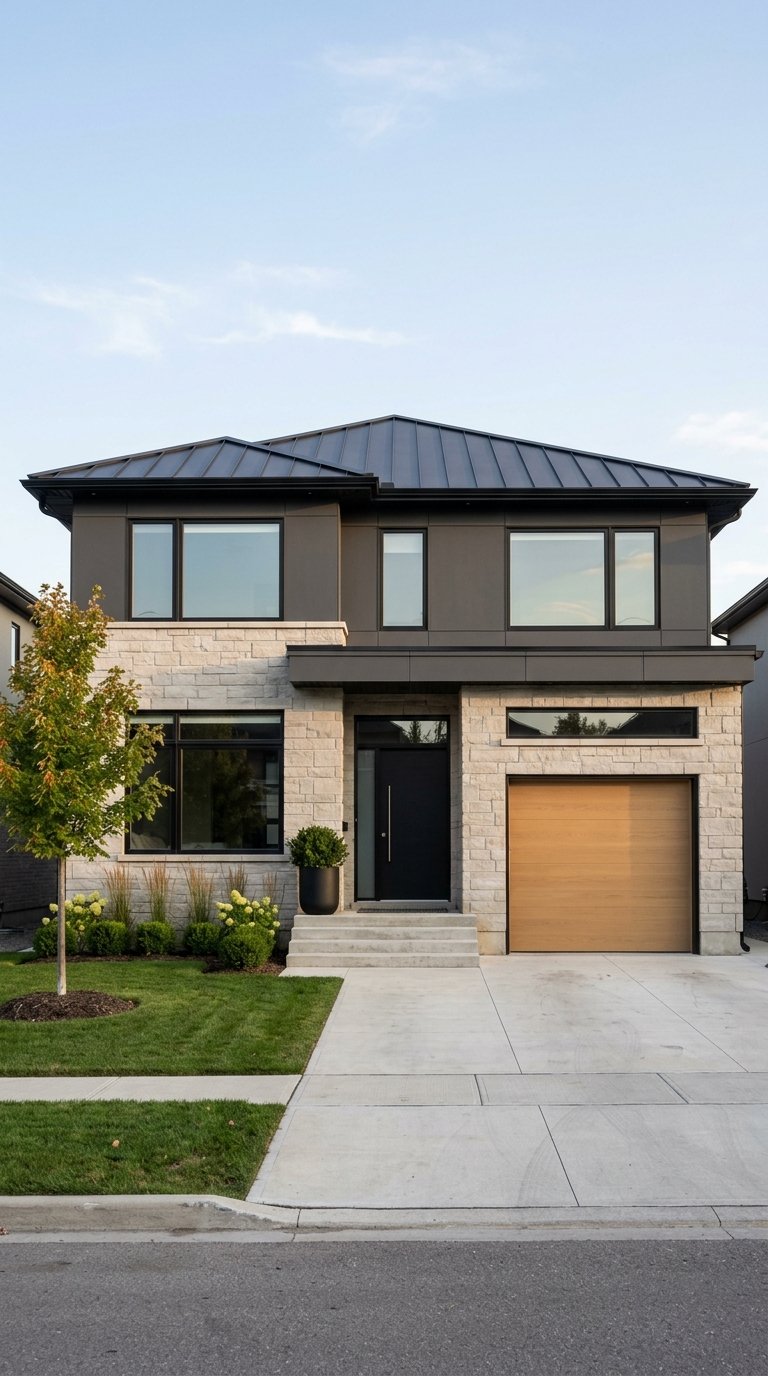
Your exterior sets the tone before a buyer ever walks through the front door. National remodeling research shows curb appeal remains one of the most important factors in attracting buyer interest, and many agents recommend improving it before listing.
Start with the basics. Clean up landscaping, trim overgrowth, remove dead plants, sweep walks, and make sure the approach to the home feels neat and intentional. If your mailbox, house numbers, porch lights, or hardware look tired, simple updates can sharpen the overall look without a major project.
The front door deserves special attention because it creates an immediate focal point. Current remodeling research gives a new steel front door a strong estimated cost recovery, which reinforces how much buyers respond to a crisp, welcoming entry.
If replacement is not needed, focus on paint condition, hardware, and cleanliness. Make sure the door opens smoothly, the lock works properly, and any glass is spotless. A polished entry can signal that the rest of the home has been maintained with the same care.
In West Chester, garages, sheds, decks, fences, and similar features may involve local review depending on the work being done. If you are repairing or updating these areas before listing, confirm what is required before work begins.
From a presentation standpoint, buyers want these spaces to feel usable and orderly. Clear out excess storage, sweep floors, touch up obvious damage, and make sure garage doors, gates, and latches operate correctly. Functional outdoor features add value when they look maintained, not neglected.
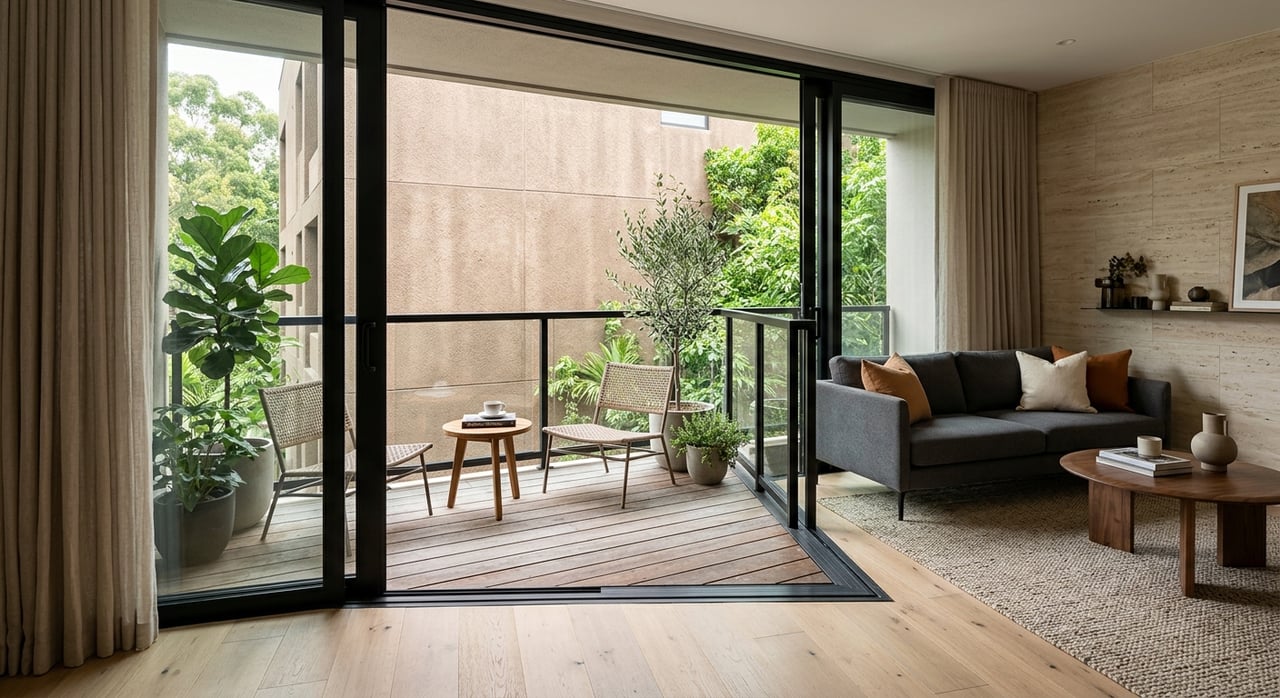
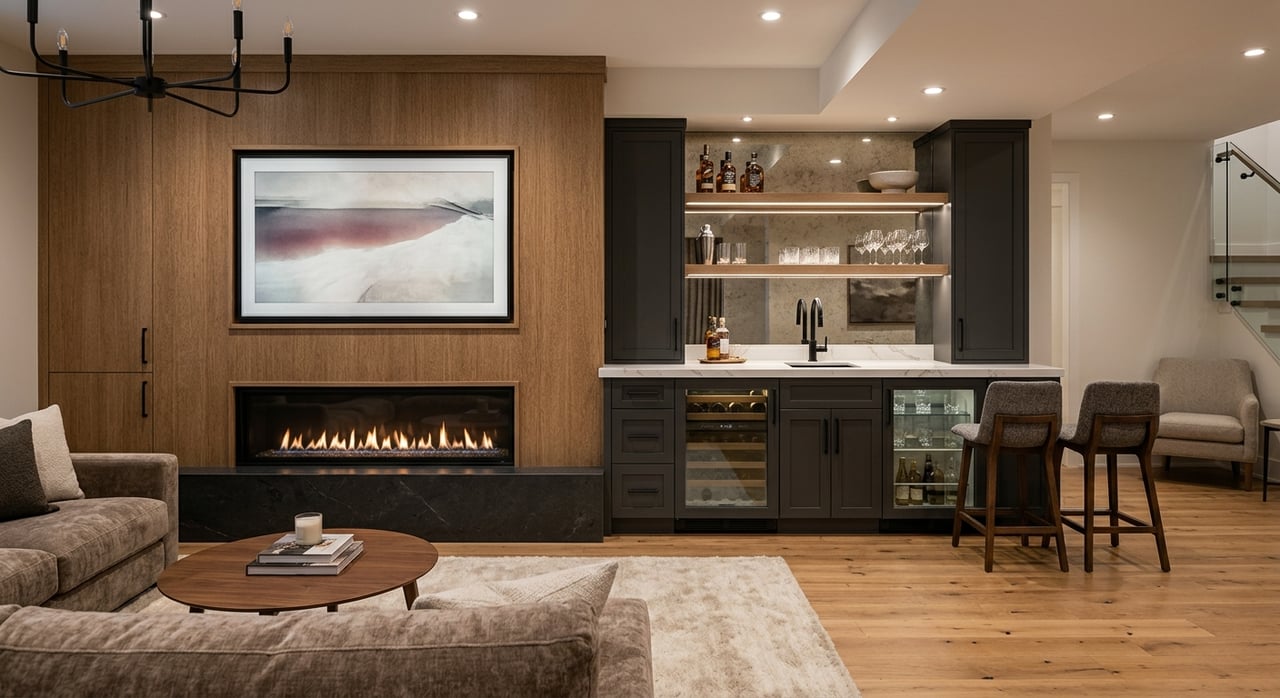
The living room is one of the most commonly staged rooms, and for good reason. It is usually one of the first interior spaces buyers see, and it helps shape their sense of the home’s scale, light, and comfort.
Keep furniture arrangements simple and open. Remove extra pieces that block walkways or make the room feel smaller. Clean windows, limit personal items, and use a few well-chosen accessories so the room feels calm and easy to understand.
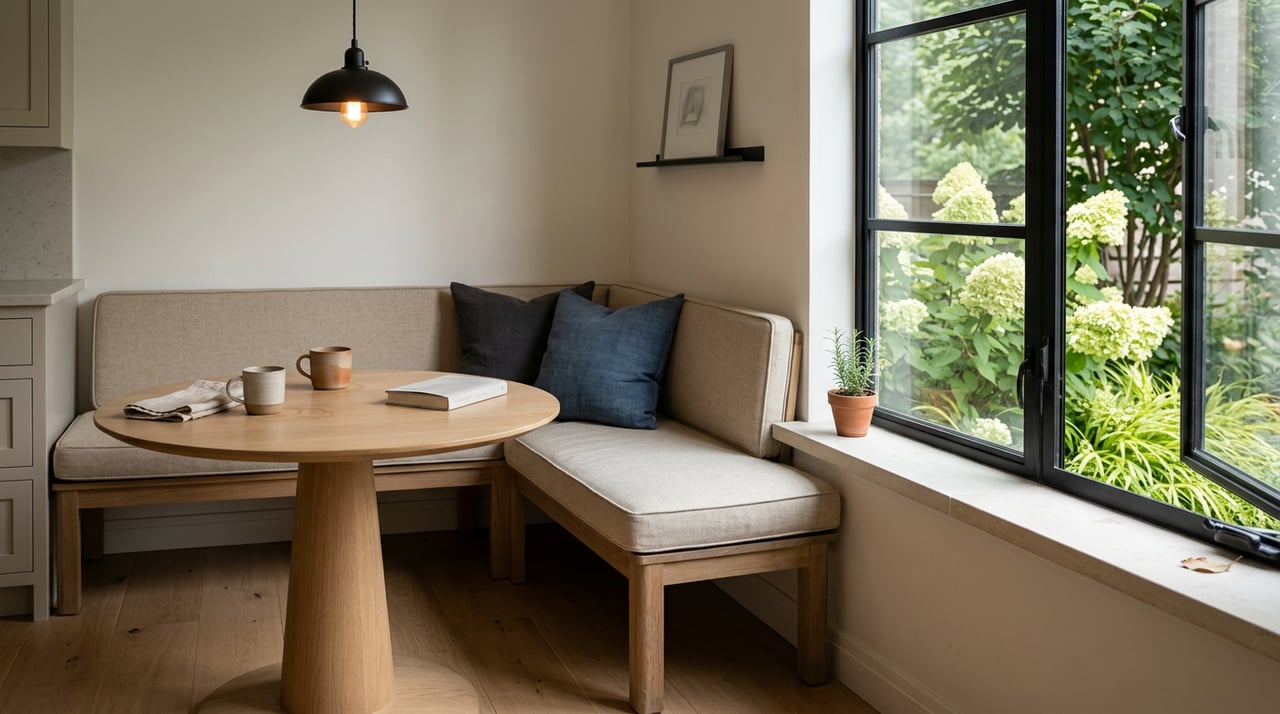
The dining room is also high on the list of commonly staged spaces. Buyers do not need an elaborate setup, but they do want to see how the room functions.
Make the space feel intentional. Center the table, keep surfaces mostly clear, and make sure lighting is clean and working properly. If the room has become a drop zone or office overflow area, return it to its original purpose before photos and showings.
Main circulation areas often get overlooked, but they shape how buyers move through the home. Hallways, stair landings, and entry transitions should feel bright, clean, and unobstructed.
Touch up scuffs, replace burnt-out bulbs, and remove narrow tables, baskets, or decor that make the path feel tight. These small fixes help the whole home feel more spacious and better maintained.
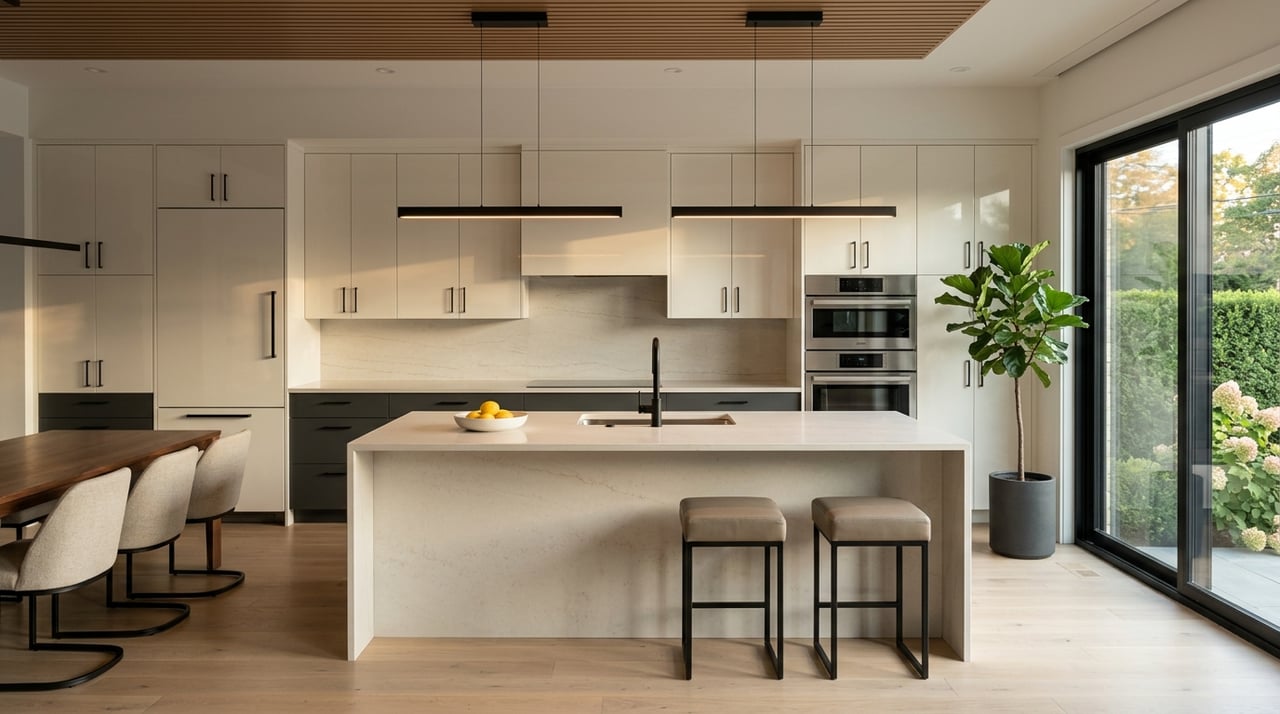
Kitchen upgrades continue to rank high in remodeling research, but that does not mean you need a full renovation before listing. In many homes, the better strategy is to show that the kitchen is clean, functional, and well cared for.
Focus on what buyers can see right away. Clear counters, clean cabinet fronts, fix dripping faucets, replace burned-out bulbs, and make sure appliances look presentable. Even small maintenance issues can distract buyers in a room where they tend to look closely.
A kitchen feels more valuable when it looks bright and crisp. Deep clean countertops, backsplash areas, sinks, and grout lines. If caulk is stained or failing, refresh it so the room reads as well maintained.
Lighting matters here too. Make sure fixtures are clean and every bulb matches in color temperature. A bright, even kitchen is easier to photograph and easier for buyers to picture themselves using.
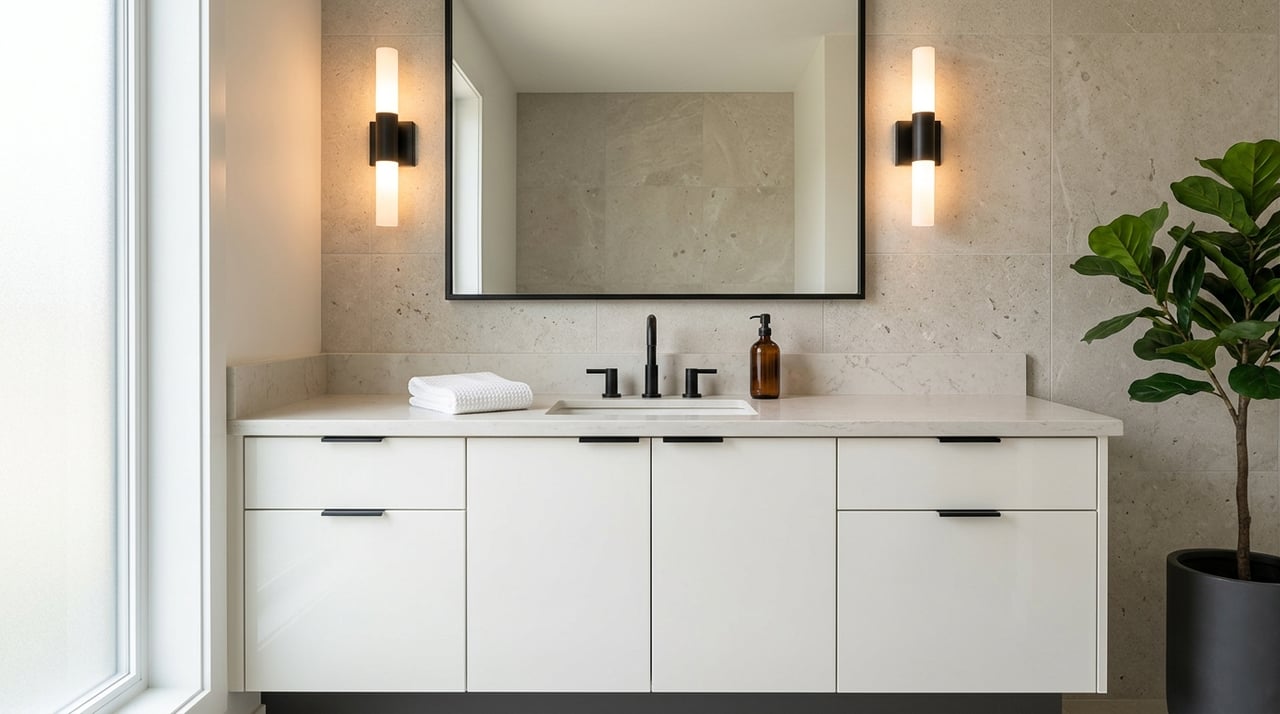
Bathrooms are another area where buyers notice condition quickly. Current remodeling research points to strong homeowner satisfaction around bathroom updates, which supports a pre-listing focus on cleanliness and visible upkeep.
You do not need a luxury remodel to improve the impression. Re-caulk where needed, brighten grout, clean mirrors, polish fixtures, and use fresh white or neutral towels. The goal is a bathroom that feels clean, light, and ready to use.
The primary bedroom is one of the most commonly staged spaces because buyers respond to rooms that feel restful and uncluttered. This room should read as calm, spacious, and easy to furnish.
Remove excess furniture, clear off dressers and nightstands, and keep linens simple. If the room has bold colors or highly personal decor, a neutral refresh may help buyers focus on the room itself instead of your style choices.
Not every room needs equal investment before listing. Staging guidance consistently points to cleaning, decluttering, repairs, depersonalizing, and selective updates as the most effective tools in less prominent spaces.
For secondary bedrooms, keep layouts simple and highlight flexibility. A bedroom should look like a bedroom, not a storage area or catchall room. If a room serves multiple functions, edit it so buyers can understand the square footage easily.
Closets, pantries, mudrooms, and laundry areas can have an outsized effect on buyer perception. People are not just looking at storage size. They are also looking for signs that the home has been cared for.
Aim to remove enough items that shelves and hanging space feel usable. Straighten bins, fold linens neatly, and wipe down surfaces. Organized storage quietly supports the idea that the home works well day to day.
In Ohio, the seller disclosure form specifically touches on issues like roofs, foundations, walls, floors, water, sewer, and hazardous materials within the seller’s actual knowledge. That makes basements, utility rooms, crawl-adjacent areas, and mechanical spaces especially important to review before listing.
Look for signs of moisture, staining, cracking, leaks, or deferred maintenance. If systems have been serviced, gather receipts and records. A clear repair log and supporting documentation can help reduce buyer hesitation when questions come up.
If your home was built before 1978, lead-based paint rules apply to the sale when there are known hazards. Sellers must disclose known lead-based paint hazards, provide the required lead pamphlet, and give buyers the opportunity to conduct a paint inspection or risk assessment.
If you are scraping or sanding deteriorated paint, especially around doors and window sills, do not treat it like a casual weekend project. Those surfaces can create hazardous dust, so repairs may require lead-safe handling.
One of the biggest mistakes sellers make is assuming every room needs a full upgrade. The data suggests otherwise. The highest-impact attention usually goes to curb appeal, the living room, primary bedroom, dining room, kitchen, and bathrooms.
That means your best return often comes from fixing obvious issues, refreshing paint where needed, cleaning thoroughly, and staging the rooms buyers notice most. Strategic prep usually beats scattered spending.
Staging is not about making your home look overly designed. It is about helping buyers understand the home quickly and positively. Recent staging research found that many buyers’ agents believe staging makes it easier for buyers to visualize the property as a future home.
That matters in West Chester, where polished presentation can help your home feel move-in ready and well maintained from the first photo to the final walkthrough. When condition, styling, and documentation all work together, your listing enters the market in a stronger position.
If you are preparing to sell in West Chester and want a more strategic plan for repairs, staging, and market-ready presentation, Kelli Rae Hurst can help you create a tailored pre-listing roadmap designed to showcase your home at its best.
Stay up to date on the latest real estate trends.


Whether buying or selling, limited-service staging and/or full-service design, what you need to enhance your property to its fullest extent in relation to your goals, timeline and budget will be determined.