
Cincinnati Condo vs House: How to Choose the Right Fit
July 9, 2026
July 9, 2026
If you are deciding between a condo in Cincinnati and a single-family home in the suburbs, you are not just choosing a property type. You are choosing how you want to live day to day, how much maintenance you want to handle, and how you want your monthly costs to feel. The good news is that the Greater Cincinnati market gives you options, and with the right questions, you can make a confident choice. Let’s dive in.
Your home should support the way you actually live. For many buyers, the condo versus single-family decision comes down to space, convenience, and how much control you want over the property.
In Ohio, a condominium means you own your individual unit plus an undivided interest in the common elements, and the association administers the property. That shared structure makes condo ownership more communal by design than owning a detached house.
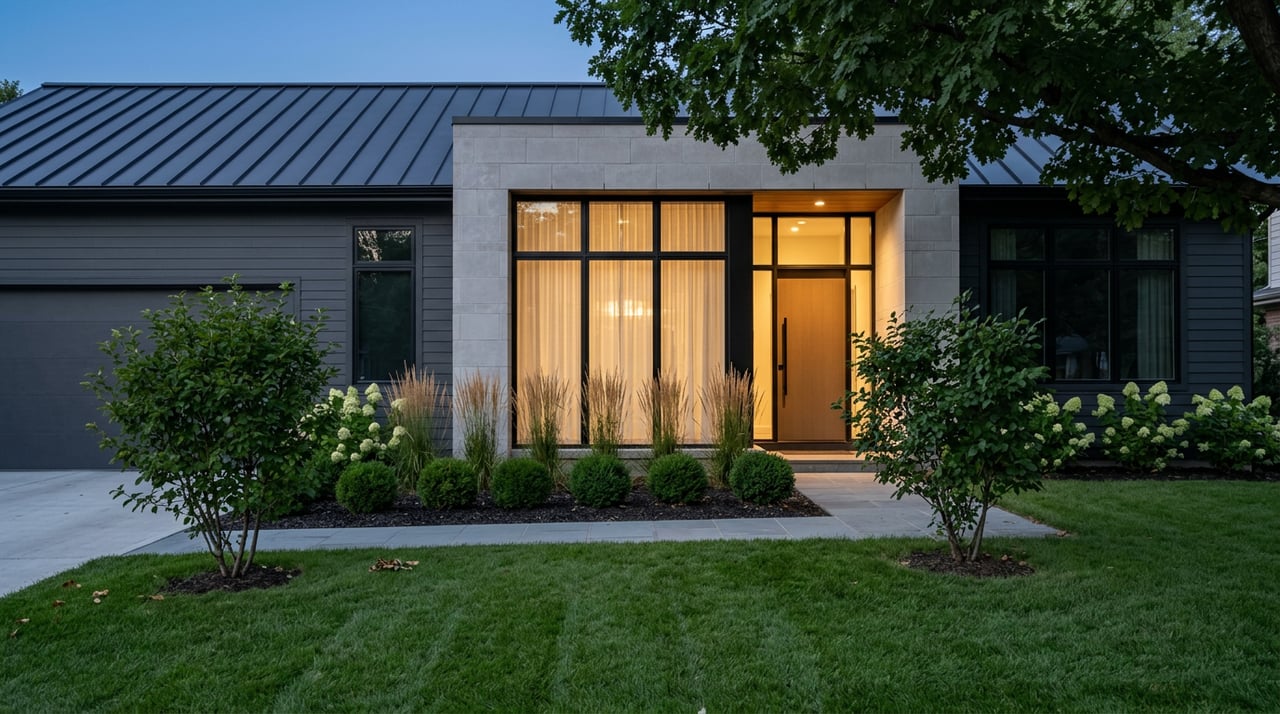
A detached single-family home usually gives you more private control over the exterior, yard use, and day-to-day property decisions. A condo often trades some of that autonomy for shared maintenance and, in some communities, access to amenities.
A condo can be a strong fit if you want a simpler routine and less exterior upkeep. Condo fees often cover exterior and common-area maintenance and may also include water, sewer, trash, and amenities.
That setup can appeal to buyers who want more time for work, travel, or enjoying the city. If your goal is a lower-maintenance lifestyle, a condo may align well with how you want to spend your time.
Commute patterns matter too. Within the City of Cincinnati, commuters are more than twice as likely to use public transit and more than three times as likely to walk compared with the national average, while Hamilton County residents average about 23.5 minutes each way.
That suggests a downtown or near-downtown condo may make sense if you value shorter trips, transit access, or walkability in your daily routine. If convenience and location are high on your list, condo living may deserve a closer look.
If you picture more interior space, a private yard, or greater flexibility outdoors, a suburban single-family home may be the better match. Detached homes often suit buyers who want more room to spread out and more direct control over maintenance choices and exterior use.
Suburban living in places like Mason, Loveland, and Milford often comes with a different rhythm than living in the city core. Based on regional commute patterns and suburban context, buyers in these areas generally expect to drive more often.
For many design-focused buyers, a single-family home also creates more opportunities to personalize indoor and outdoor spaces. If move-in-ready style, landscaping potential, or future updates matter to you, a detached home may offer more flexibility.
Your budget may point you toward one option faster than lifestyle alone. Current market snapshots show meaningful differences across Greater Cincinnati.
Cincinnati’s median listing price is $299,000, with about 2,200 homes for sale, homes selling at about 100% of asking price, and median days on market at 34. Nearby suburban medians are higher in some areas, including Mason at $476,950 and Loveland at $375,000, while Milford sits at $277,000.
Here is a quick look at current market context:
| Area | Median Listing Price | Median Days on Market | Median Rent |
|---|---|---|---|
| Cincinnati | $299,000 | 34 | $1,445 |
| Mason | $476,950 | 23 | $2,500 |
| Loveland | $375,000 | 29 | $2,295 |
| Milford | $277,000 | 28 | $1,175 |
These numbers do not prove that a condo is always cheaper than a house, or the reverse. They do show that suburban ownership costs can vary quite a bit depending on the area and price segment you are targeting.
One of the biggest mistakes buyers make is comparing only purchase prices. Your true monthly cost matters more than the headline number.
Depending on the loan, you may be able to buy with as little as 3% down, and closing costs typically run about 2% to 5% of the purchase price. Monthly ownership costs can include principal, interest, taxes, insurance, and HOA or condo fees.
With condos, the advertised price may not tell the full story. Condo or HOA dues are usually paid directly to the association, not through your mortgage servicer, and they can range from a few hundred dollars per month to more than $1,000 per month.
That means a lower-priced condo may carry a higher monthly payment than you first expect if dues are substantial. On the other hand, those dues may cover costs you would otherwise pay separately, such as exterior maintenance, trash, or some utilities.
It is also worth remembering that HOA fees are not limited to condos. Some townhomes and even single-family homes in planned communities also have dues that may help fund lawn care, ground maintenance, or community facilities.
Maintenance is one of the clearest differences between these two paths. If you choose a condo, you are buying into both a home and an association structure.
Ohio law requires condo association budgets to include reserves adequate to repair and replace major capital items without special assessments, unless owners waive that reserve requirement or governing documents limit assessment increases. Boards also have authority to collect assessments, regulate maintenance and appearance, and impose certain charges after notice and a hearing.
That means reviewing condo documents is not just a formality. You will want to understand the reserve fund, planned capital work, what the fee covers, and whether any special assessments are pending.
With a detached home, you usually have more direct control over repairs and timing, but you also take on more personal responsibility for the roof, exterior, yard, and other major systems. For some buyers, that control feels freeing. For others, it feels like a second job.
Resale strength matters even if you plan to stay for years. A home that is easier to finance is often easier to resell.
For condos, lenders review more than your personal finances. They may examine the project’s physical condition, financial stability, reserve funds, master insurance, inspections, litigation, special assessments, parking, and rental friendliness.
Some condo projects may be ineligible for conventional financing if they need critical repairs, have inadequate insurance, have pending significant litigation, or operate like a hotel or short-term-rental project. Even if the unit looks beautiful, project-level issues can slow or block a future resale.
Single-family homes can move quickly in nearby suburban markets. Current snapshots show median days on market at 23 in Mason, 29 in Loveland, 28 in Milford, and 34 in Cincinnati overall.
That does not mean every suburban house is an easier resale than every condo. It does mean condo resale often depends heavily on the health and financeability of the overall project, not just the appeal of your specific unit.
If you are torn between the two, focus on a few practical questions. Your answers will usually point you in the right direction.
Ask yourself:
The right choice is the one that fits your finances, your routine, and your long-term goals. A well-located condo can be a smart fit for convenience and lower-maintenance living, while a suburban single-family home may offer more space, privacy, and design flexibility.
If you want help comparing homes in Cincinnati, Mason, Loveland, Milford, or nearby communities, Kelli Rae Hurst offers thoughtful, hands-on guidance tailored to your lifestyle and goals.
Stay up to date on the latest real estate trends.







Whether buying or selling, limited-service staging and/or full-service design, what you need to enhance your property to its fullest extent in relation to your goals, timeline and budget will be determined.