Leave a Message

Thank you for your message. I will be in touch with you shortly.

Soundproofing Near I‑275 Milford Homes for Quieter Living

November 6, 2025

If you live near I-275 or the SR-28 approach in Milford, you know the steady hum of traffic can creep into daily life. It can affect sleep, outdoor time, and how quiet your home feels in photos and showings. The good news is you can make a noticeable difference with smart upgrades that fit a range of budgets and timelines.

In this guide, you’ll learn which improvements move the needle most in Milford, how to stage spaces so they look and feel quieter, and what to consider before building exterior barriers. You’ll also get a step-by-step plan designed for sellers who want measurable results and strong listing appeal. Let’s dive in.

Why Milford homes feel the noise

Homes near interstates and major approaches often see elevated road noise, especially during rush hour and heavy truck periods. In Milford and the I-275 corridor, that can translate to more noise on facades facing the highway and in upper floors where sound paths are clearer.

Noise affects everyday comfort and how buyers perceive quality. National guidelines from health and transportation authorities use daytime and nighttime thresholds to evaluate noise exposure and abatement. The takeaway for you is simple. Reducing indoor levels and improving the way spaces absorb sound will improve how your home lives and shows.

Measure first for smarter choices

Before you invest, take stock of when and where noise is worst.

  • Walk the property during weekday rush hour, late evening, and a weekend morning. Note rooms that feel most exposed.
  • If you are planning major work, hire an acoustical consultant to measure dB(A) and long-term metrics. Professional readings inform design decisions and, if needed, permitting.
  • Smartphone apps can give a rough sense of patterns, but they are not accurate enough for specifications.

Understanding the baseline helps you target the most effective fixes first.

Prioritize the building envelope

The biggest gains usually start with your building envelope. Improvements that add mass, tighten air paths, and upgrade glazing make the largest difference indoors. Combine several measures in problem rooms to compound the benefit.

Windows and glazing

Windows are often the weakest link for traffic noise.

  • Learn the metric. Sound Transmission Class (STC) is a simple way to compare products. Typical single-pane windows fall around the low 20s. Good double-pane windows often land in the high 20s to mid-30s. High-performance assemblies with laminated or triple glazing can reach the mid-30s to low 40s.
  • Favor laminated glass. A plastic interlayer helps with the mid and lower frequencies common in truck and engine noise.
  • Consider secondary glazing. Interior or exterior storm windows can deliver much of the benefit of full replacement at a lower cost. Proper airspace and tight fit matter.
  • Installation quality is critical. Seal the perimeter, insulate gaps around frames, and ensure sills and weeps are properly finished. Even a small crack can undermine performance.

If you plan to sell, replacement windows read as a quality upgrade in photos and walk-throughs. When documented by the manufacturer, note noise-reducing features in your listing remarks.

Doors, seals, and small penetrations

Exterior doors and little gaps add up.

  • Upgrade to solid-core exterior doors where feasible. Pair them with quality weatherstripping, door sweeps, and tight thresholds.
  • Seal utility penetrations, trim gaps, and attic chases with acoustic-rated sealants. These low-cost items often yield immediate improvements you can feel.

Walls, insulation, attic, and ducts

Once windows and doors are addressed, look at mass and airtightness.

  • Dense wall insulation, such as cellulose or mineral wool, helps slow airborne sound and reduces flanking paths.
  • If remodeling, add a second layer of drywall with a viscoelastic damping compound or use resilient channels to decouple layers. Target bedrooms first.
  • Treat HVAC as part of the system. Duct insulation and thoughtful routing can cut mechanical noise and help spaces feel calmer.

Interiors that look quiet in photos

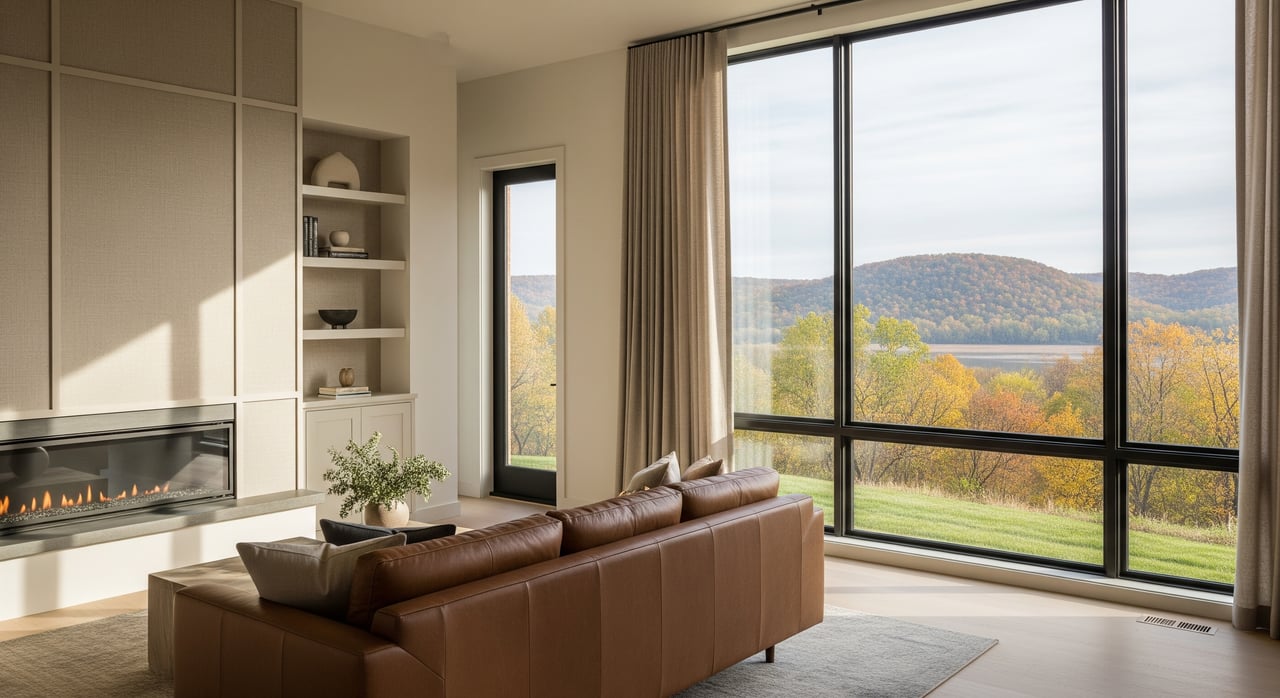
Even when you cannot change the structure, you can change how rooms feel and perform. The right finishes absorb reflections that make residual traffic noise seem louder. These also photograph beautifully for listings.

Heavy curtains and window treatments

Dense, layered curtains installed close to the wall can reduce certain frequencies by several decibels. Thermal blackout or acoustical draperies are practical, attractive, and removable. They frame windows nicely in photos and help bedrooms feel restful during showings.

Secondary glazing and window inserts

Clear, removable acrylic or glass panels installed inside the sash create an extra air layer. They are discreet, effective in bedrooms, and easy to take out for cleaning or open-window seasons.

Rugs, upholstery, and artful absorption

Soft surfaces absorb echo. Layer area rugs, add upholstered pieces, and use bookcases or textile wall art to calm reflections. For a tailored look, consider decorative fabric-wrapped acoustic panels. Use them sparingly so the room still feels refined and residential.

Target the primary bedroom first

Buyers care most about sleep. Combine sealed windows, storm inserts, and heavy curtains in the primary bedroom for a high-impact, cost-effective bundle that shows well and delivers immediate comfort.

Exterior options and what to know in Milford

Exterior strategies can reduce noise outdoors and, in some cases, indoors too. These require more space, design coordination, and sometimes permits.

Barriers and berms

Solid barriers block the line of sight between the road and your seating area or facade. Effectiveness depends on height, length, and continuity. Earth berms often outperform same-height rigid walls because of mass and absorption. Many residential solutions deliver modest single-digit to low-teens decibel reductions in the right geometry. A combined berm and wall can be a strong choice where space allows.

Landscape buffers

Vegetation adds privacy and improves the feel of a yard. Dense, layered plantings with evergreen trees and shrubs help with high and mid frequencies and reduce visual exposure to traffic. By themselves, plants rarely create large decibel drops. They work best with a berm or a continuous fence or wall.

Setbacks and space planning

Distance reduces noise. If you are planning a new deck, patio, or play area, place it on the side of the home that is shielded from the roadway. Even a modest shift can help.

Permits and approvals

For work near I-275 or SR-28, coordinate early.

  • State right-of-way: Projects near interstates may require coordination with the Ohio Department of Transportation. Barriers or grading close to the corridor often need review.
  • Local rules: Milford and Clermont County regulate fence heights, retaining walls, and grading. Confirm setbacks and permits before design and pricing.
  • HOAs: Review covenants to confirm allowed fence types, wall materials, and landscape changes.

When in doubt, speak with city or county planning and a qualified acoustical consultant before committing to design plans or contractor bids.

Costs, timelines, and what to prioritize

Every property is different, but you can stage your plan by cost and impact.

  • Quick wins, low cost (same day to 1 week)

    • Weatherstripping, door sweeps, and acoustic caulk for gaps
    • Heavy curtains or layered window treatments
    • Rugs and soft furnishings to reduce echo
  • Low to moderate cost (days to weeks)

    • Interior or exterior storm windows and secondary glazing for key rooms
    • Solid-core door upgrades and improved thresholds
  • Moderate to high cost (weeks to months)

    • High-performance replacement windows for select rooms or the whole home
    • Resilient channels and damping during planned remodels
  • High cost (months and permitting)

    • Berms, masonry walls, and larger site grading projects

Approximate nationwide ranges vary by product and installer. Sealing and weatherstripping often run from tens to a few hundred dollars. Heavy curtains may be hundreds per window. Storm or secondary glazing commonly ranges from a few hundred to over one thousand dollars per opening. Replacement windows can range from about five hundred to fifteen hundred dollars or more per unit. Exterior barriers and site works scale from several thousand to tens of thousands, depending on height, length, and access.

For resale, cosmetic and energy-oriented upgrades tend to show well and are easy for buyers to value. Major exterior works can add privacy and usability, but may not fully pay back on a short sale timeline. Assess your local comparables and noise sensitivity to decide where to invest.

A simple plan for Milford sellers

Use this step-by-step approach to get results without guesswork.

  1. Walk and listen at different times. Identify the rooms and facades with the worst exposure.
  2. Get professional measurements if you plan significant work. Use that data to guide window choices or barrier design.
  3. Handle quick fixes first. Seal gaps, add weatherstripping, and install heavy curtains in target rooms.
  4. Prioritize windows in bedrooms and main living areas. Add storm windows or secondary glazing before full replacement if budget is tight. Document model numbers and performance for your listing.
  5. Explore exterior options only after the envelope is improved. If a barrier makes sense, check Milford and Clermont County rules and speak with ODOT for anything near the interstate right-of-way.
  6. Collect 2 to 3 quotes for each scope. Ask window vendors for STC or performance data and confirm installation details.
  7. Prep for market. Stage with soft finishes, show off the quieted primary suite, and highlight privacy landscaping for curb appeal.

How to talk about noise upgrades in your listing

Lead with benefits buyers feel right away.

  • “Upgraded windows for privacy and noise reduction” when you have documented glazing or laminated glass.
  • “Quieted primary suite with storm inserts and blackout drapery” for bedroom-focused improvements.
  • “Landscaped buffer with evergreen screening and privacy berm” when exterior work is in place.

Avoid technical jargon. Keep the focus on comfort, sleep, and outdoor enjoyment.

Ready for a quieter, market-ready home?

If you want a targeted plan that balances design, cost, and impact, I can help you prioritize upgrades, coordinate trusted vendors, and stage each space so it shows at its best. My goal is to help you feel the difference now and capture it in photos and marketing so buyers do too. Unknown Company — Request a Complimentary Home Valuation & Staging Consultation.

FAQs

Will new windows eliminate highway noise in a Milford home?

  • Not entirely. High-quality windows can significantly reduce airborne noise, especially in the mid and higher ranges. Low-frequency rumble from heavy vehicles is harder to block, so combine windows with sealing, curtains, and targeted interior treatments.

Do heavy curtains and storm windows really help with road noise?

  • Yes. Thick, layered curtains and storm or secondary glazing often provide noticeable reductions. Together they can approach the performance of full replacement in some rooms for less cost.

Can landscaping alone block I-275 noise near Milford?

  • Vegetation improves privacy and the feeling of quiet, but it rarely produces large decibel reductions by itself. It works best when paired with a solid barrier or an earth berm.

Are decorative acoustic panels a good option for living spaces?

  • Modern fabric-wrapped panels can look like art and reduce reflections that make residual traffic noise feel louder. Use them sparingly to maintain a residential feel.

Do I need an acoustical engineer before building a noise wall?

  • For major investments or any project that may need permits, hire a qualified acoustician for measurements and design input. For basic fixes like sealing and window upgrades, contractor quotes are often sufficient.

What permits are needed to build a berm or tall fence near I-275?

  • Coordinate with Milford and Clermont County for fence, wall, and grading rules, and contact the Ohio Department of Transportation for any work near interstate right-of-way. Always confirm setbacks and approvals before construction.

Work With Kelli

Whether buying or selling, limited-service staging and/or full-service design, what you need to enhance your property to its fullest extent in relation to your goals, timeline and budget will be determined.